

What Is a Tulpa? Tulpa vs Servitor vs Egregore Explained
What is a tulpa? In modern esoteric language, a tulpa is a being created by focused thought: an imagined companion that, with enough attention, seems to gain its own personality, voice and will. The word is borrowed from Tibetan Buddhism, but the idea most people meet online today was shaped by Western explorers, Theosophists and, more recently, internet communities.
Tulpas also get confused with servitors, egregores, familiars and spirit companions. They all sit in the same "thoughtform" family, yet they differ in who creates them, what they are for and how long they last. This guide untangles the whole family and ends with a simple comparison table.
Table of Contents [showhide]
- 1What Is a Tulpa? The Short Definition
- 2What Is a Tulpa in Tibetan Buddhism?
- 3Tulpamancy: The Modern Practice
- 4What Is a Servitor?
- 5What Is an Egregore?
- 6Tulpa vs Servitor vs Egregore vs Familiar vs Spirit Companion
- 7Where Familiars and Bound Spirits Fit
- 8Why "What Is a Tulpa" Matters for Spirit Keepers
- 9How to Make a Tulpa: A Responsible Overview
- 10FAQ
- 10.1What is a tulpa in simple terms?
- 10.2What is the difference between an egregore and a tulpa?
- 10.3Is a tulpa the same as a servitor?
- 10.4Is a tulpa a real spirit?
- 11Final Thoughts
What Is a Tulpa? The Short Definition#
A tulpa is a thoughtform that its creator experiences as independent. You start by imagining a character in detail, talking to it and giving it attention every day. Practitioners say that over weeks or months the character begins to respond in ways that feel spontaneous, as if someone else is answering.
Two things set the tulpa apart from the rest of the thoughtform family. First, it is usually created by one person for companionship rather than for a task. Second, the goal is autonomy: a tulpa is meant to become a "someone," not a tool.
What Is a Tulpa in Tibetan Buddhism?#
The English word comes from the Tibetan sprul pa (pronounced roughly "tulpa"), which can mean an emanation, a magical creation or a phantom. In Tibetan Buddhism it relates to the idea that advanced practitioners and enlightened beings can project emanation bodies. That is a very different concept from the imaginary friend of internet forums.
 Photo from Pixabay by kantsmith
The Western tulpa largely comes from the French explorer Alexandra David-Néel. In her 1929 book, translated as Magic and Mystery in Tibet, she described creating a jolly monk through concentration. She claimed the figure became visible to others, grew darker in character and took her six months to dissolve. She also admitted she might have been hallucinating, a detail that often gets left out.
Around the same time, Theosophists were writing about thought-forms. Annie Besant and Charles Leadbeater published Thought-Forms in 1905, describing how strong thoughts and emotions take shape on subtle planes. According to the Wikipedia entry on tulpas, these European ideas developed largely independently of how the word was used in old Tibet.
Tulpamancy: The Modern Practice#
In the 2010s, online communities on forums, Reddit and later Discord turned tulpa creation into a practice called tulpamancy. Practitioners, or tulpamancers, describe their tulpas as companions with their own thoughts, and they share techniques such as "narration" (talking to the tulpa throughout the day) and "forcing" (focused sessions of attention).
 Photo from Pixabay by cmrcn_
Anthropologist Samuel Veissière surveyed this community and found that most tulpamancers explained their tulpas in psychological or neurological terms, with only a small minority choosing a metaphysical explanation. Most respondents also said the practice improved their wellbeing. So when someone online asks what is a tulpa, the honest answer is that many practitioners themselves see it as a deliberate psychological phenomenon, not a spirit from elsewhere.
What Is a Servitor?#
A servitor comes from chaos magic, the results-focused school of magick that grew up in Britain in the 1970s and 1980s around writers such as Peter J. Carroll. A servitor is a thoughtform built for a specific job: protecting a space, nudging a goal along or carrying a spell.
 Photo from Pixabay by cromaconceptovisual
Practitioners usually give a servitor a name, a sigil, a set of instructions and an end date. Once the task is done, the servitor is dissolved. Chaos magicians tend to treat too much independence as a flaw, because a servitor that "wanders off" is harder to control and harder to end.
The key contrast with a tulpa is purpose. A tulpa is raised to become a companion. A servitor is built to do a job and then let go.
What Is an Egregore?#
An egregore is the group version. The word traces back to the Greek egrēgoros, "wakeful," the term used for the angelic Watchers in the Book of Enoch. In the nineteenth century the French occultist Éliphas Lévi used it for collective entities, and in 1987 Gaetan Delaforge described an egregore as "a kind of group mind which is created when people consciously come together for a common purpose."
 Photo from Pixabay by geralt
Think of the shared spirit of a lodge, a religious order, a sports club or even a brand. The Wikipedia article on egregores notes that some writers link the concept directly to the tulpa. The difference is scale: an egregore is fed by many minds at once, which is why practitioners say it can outlive any single member.
Tulpa vs Servitor vs Egregore vs Familiar vs Spirit Companion#
Here is the whole family side by side. When people ask what is a tulpa, this comparison is usually what they actually need.
| Being | Who creates it | Purpose | Lifespan | Independence |
|---|---|---|---|---|
| Tulpa | One person, through sustained attention | Companionship | Open-ended | Goal is full autonomy |
| Servitor | A magician, by design | A specific task | Dissolved when done | Deliberately limited |
| Egregore | A group, often unintentionally | Shared identity or mission | As long as the group feeds it | Grows with the group |
| Familiar | Traditionally a pre-existing spirit | Help with magic and daily life | Bonded to the witch | A separate being |
| Spirit companion | A pre-existing entity, bound to a vessel | Support in a chosen area of life | Ongoing relationship | A separate being with its own nature |
Notice the dividing line. Tulpas, servitors and egregores are made by minds. Familiars and bound spirits are understood as beings that already exist and enter a relationship with a person.
Where Familiars and Bound Spirits Fit#
The witch's familiar is the oldest relative in this family. Early modern records describe witches with spirit helpers in the shape of cats, toads or dogs, and our article on the familiar spirit traces how those companions were described in trial records and folklore. A familiar was not imagined into being. It was met, bargained with or inherited.
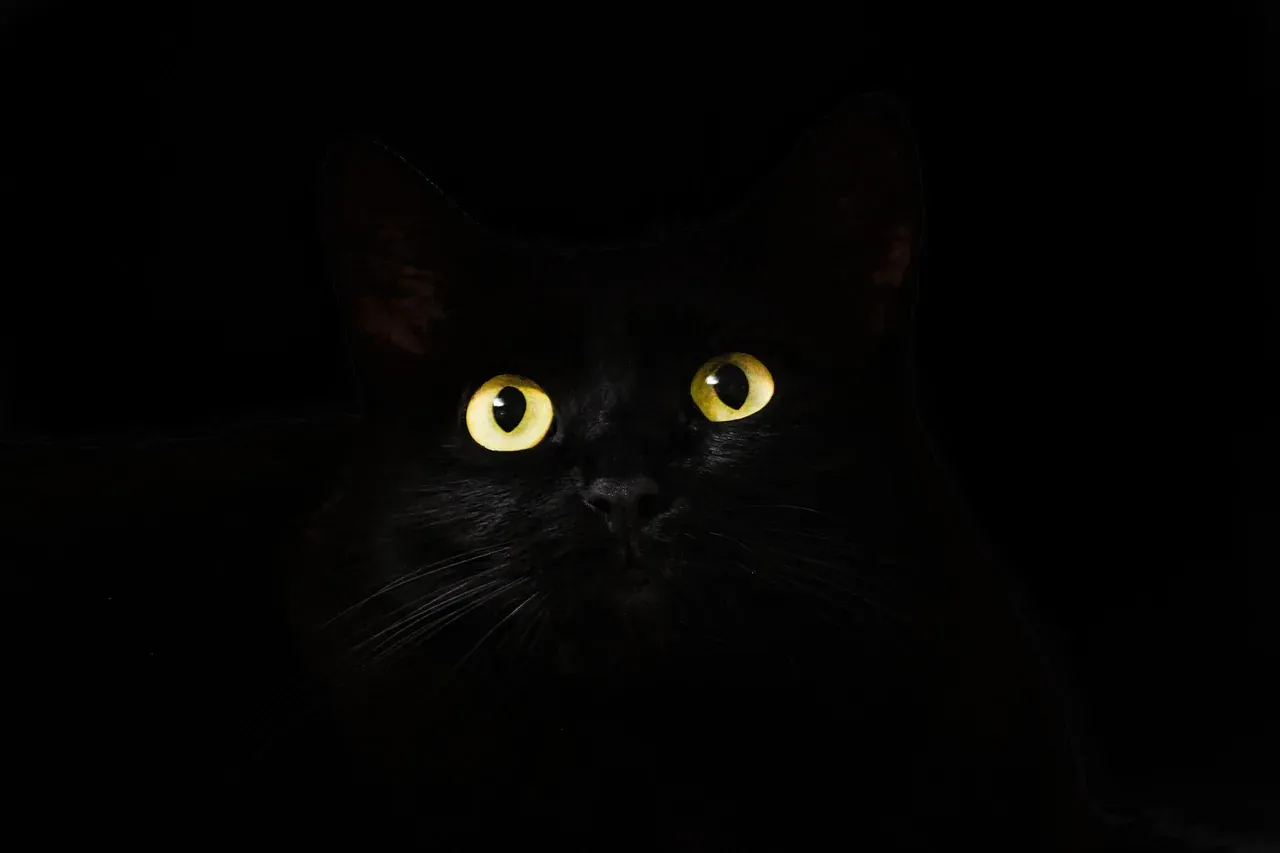 Photo from Pixabay by Mihail_hukuna
Modern spirit keeping follows that older model. A spirit companion is bound to a vessel by a practitioner and arrives with its own energy signature and purpose, rather than being built from your imagination. If you are new to the idea, our guide to understanding spirit companions explains how the relationship works.
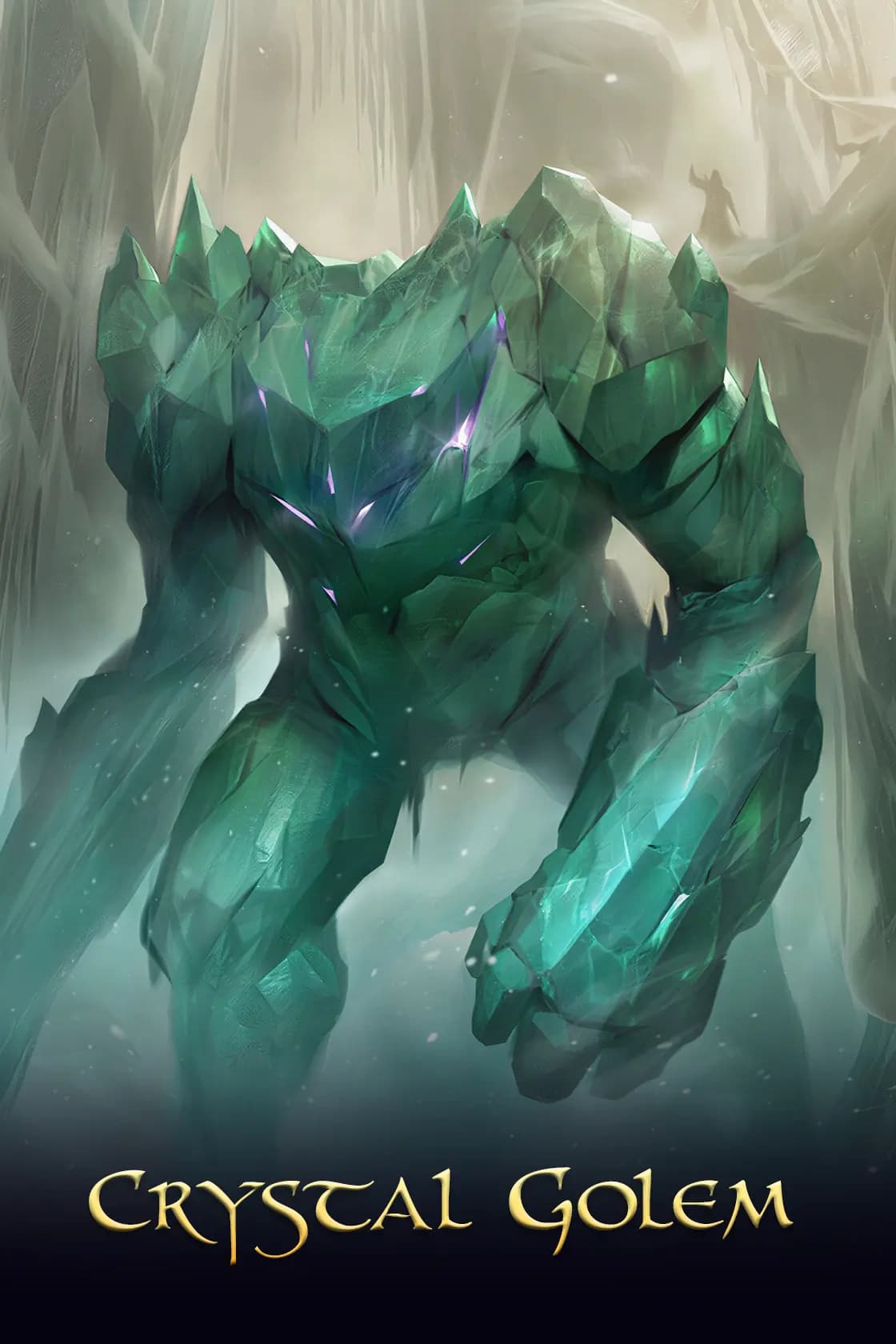
Interestingly, Jewish folklore has its own "made" being: the golem, a figure shaped from clay and animated through sacred words. Our Crystal Golem is a signature Astadewa spirit rooted in ancient Hebrew mysticism, described as a "Living Light Form" that offers reactive protection, grounding and healing. Unlike a tulpa, it is not something you create, and it sits among our magick support spirits as a guardian that amplifies energy work.
Why "What Is a Tulpa" Matters for Spirit Keepers#
Many keepers first hear about thoughtforms before they ever meet a bound spirit, so the question of what is a tulpa quietly shapes their expectations. If you treat a bound companion like a tulpa, you may believe you have to invent its personality, and you can end up projecting your own wishes onto it instead of listening. If you treat a tulpa like an outside spirit, you may hand it an authority it was never meant to have.
A simple vetting habit helps. For any presence in your practice, ask three questions: where did it come from, what is its purpose, and who sets the house rules? A tulpa comes from you, so you set everything. A servitor comes from your design and ends when its task ends. A bound spirit comes with its own nature, so the relationship is built on communication, respect and steady care over time.
Keeping a ritual diary makes these differences easier to see, because you can compare what you expected with what actually happened.
How to Make a Tulpa: A Responsible Overview#
Because "how to make a tulpa" is such a common search, here is what tulpamancers typically describe, along with honest caveats:
 Photo from Pixabay by smokefish
- Design. Choose a name, personality and form. Many start with a simple, kind character.
- Narration. Talk to the tulpa in your head throughout the day, describing what you see and feel.
- Focused sessions. Spend set periods visualizing the form and "listening" for responses.
- Patience. Communities say it can take weeks or months before responses feel independent.
Treat this as a psychological practice that deserves care. If you are dealing with dissociation, psychosis, severe anxiety or isolation, talk to a mental health professional before experimenting with any practice designed to produce an inner voice. A tulpa should never replace real human connection or professional support.
FAQ#
What is a tulpa in simple terms?#
A tulpa is an imaginary companion created through sustained focus, which its creator comes to experience as having its own thoughts and personality.
What is the difference between an egregore and a tulpa?#
A tulpa is usually created by one person, on purpose, for companionship. An egregore forms from the shared thoughts and emotions of a group, often without anyone intending it.
Is a tulpa the same as a servitor?#
No. A servitor is built for a specific task and dissolved afterwards, with limited independence. A tulpa is meant to become an ongoing, autonomous companion.
Is a tulpa a real spirit?#
How you answer what is a tulpa depends partly on your worldview. Most tulpamancers describe tulpas in psychological terms, and David-Néel herself wondered whether hers was a hallucination. Spirit keepers generally see tulpas as mind-made, which is different from a pre-existing spirit companion.
Final Thoughts#
So, what is a tulpa? It is a mind-made companion with roots in a Tibetan word, a French explorer's travel memoir, Theosophical writing and modern online practice. Its relatives, the servitor and the egregore, are also built from thought, while the familiar and the bound spirit companion belong to an older idea: that some beings already exist and choose to walk alongside us. Knowing the difference helps you decide which kind of relationship you actually want.
Spirits mentioned in this guide
Related posts

No comments yet. Have a question or an experience to share? Start the conversation.