
What Is a Spirit Vessel? 6 Types and How Binding Works

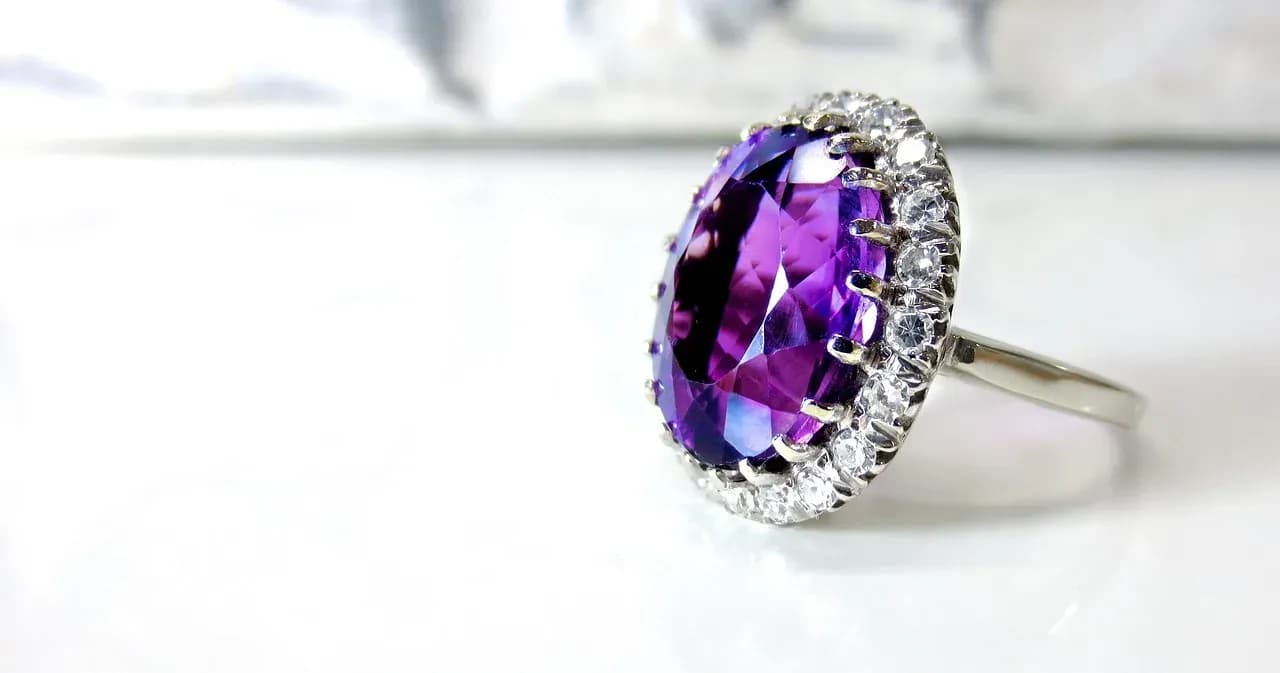
A spirit vessel is a physical object, such as a ring, pendant, doll or stone, that serves as an anchor for a bound spirit. The spirit is not squeezed inside like a genie in a bottle. The vessel acts as its home address in the physical world: a focal point where its energy is concentrated and where the keeper can reach it during offerings, alignment and tasking.
If you are new to spirit keeping, the idea can sound strange. It becomes much clearer once you see how vessels have been used through history, which types exist, and how binding actually links a spirit to an object. This guide covers all of that, plus how to choose and care for a spirit vessel of your own.
Table of Contents [showhide]
- 1What Is a Spirit Vessel?
- 2A Short History of Spirit Vessels
- 36 Common Types of Spirit Vessels
- 3.11. Rings
- 3.22. Pendants and necklaces
- 3.33. Bracelets
- 3.44. Dolls and figures
- 3.55. Stones and crystals
- 3.66. Boxes, bottles and heirlooms
- 4How Binding Works
- 5Signs a Spirit Has Settled Into Its Vessel
- 6How to Choose a Spirit Vessel
- 7Caring for Your Spirit Vessel
- 8Spirit Companions That Suit Wearable Vessels
- 9Frequently Asked Questions
- 9.1What happens if my spirit vessel breaks?
- 9.2Can I wear a spirit vessel in the shower or while sleeping?
- 9.3Can one vessel hold more than one spirit?
- 9.4Is a djinn ring a spirit vessel?
- 10Conclusion
What Is a Spirit Vessel?#
Think of a spirit vessel as the meeting point between two worlds. Spirits are energy without a fixed body. To build a steady relationship with a human keeper, many practitioners believe a spirit benefits from an anchor that keeps its energy focused and easy to find.
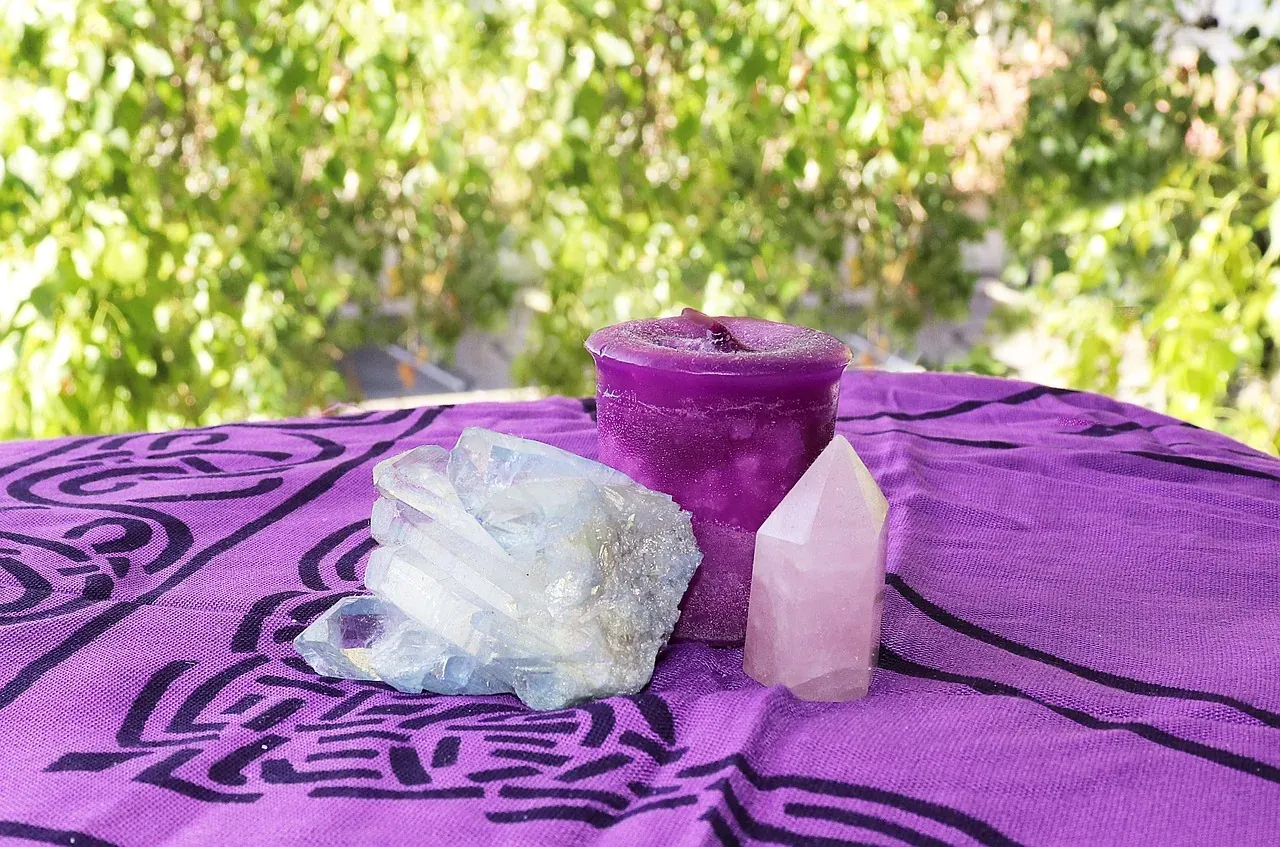 Photo from Pixabay by magicksupply
A vessel does three jobs:
- It anchors. The spirit's energy signature is tied to the object, so it does not drift.
- It connects. Holding or wearing the vessel opens the line between you and the spirit.
- It contains. Along with house rules, the vessel sets clear boundaries for where and how the spirit operates.
In community language, a spirit attached to a vessel through an agreement is called a bound spirit. A spirit that wanders without any agreement is unbound, and that is a very different thing.
A Short History of Spirit Vessels#
Binding spirits to objects is far older than modern spirit keeping.
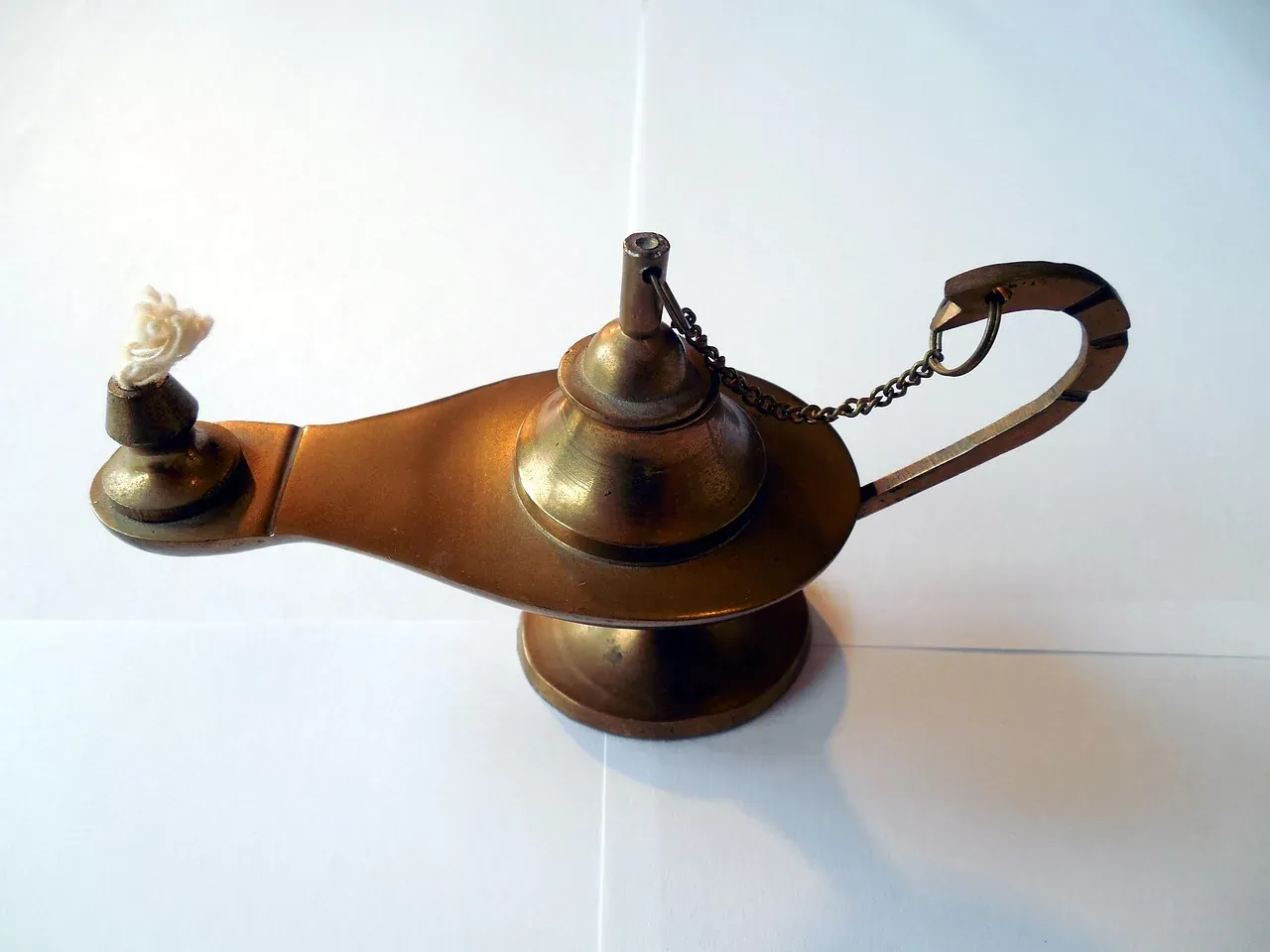 Photo from Pixabay by succo
- King Solomon's ring. Jewish, Christian and Islamic legends describe the Seal of Solomon, a signet ring said to give Solomon command over demons and jinn. It is the ancestor of every modern djinn ring.
- Lamps and bottles. Middle Eastern folklore is full of jinn sealed in brass vessels, the source of the "genie in a lamp" image.
- Familiars. Early modern European witches were said to keep spirit helpers that lived in small boxes or took animal form. Our article on the familiar spirit traces that history.
- Javanese pusaka. In Indonesia, keris blades, agate rings and heirloom stones are widely believed to carry a khodam, a guardian spirit passed down through families.
Across all of these traditions, the pattern is the same: an object becomes the agreed home of an unseen helper.
6 Common Types of Spirit Vessels#
Almost any object can work, but some forms are popular because they are practical and personal.
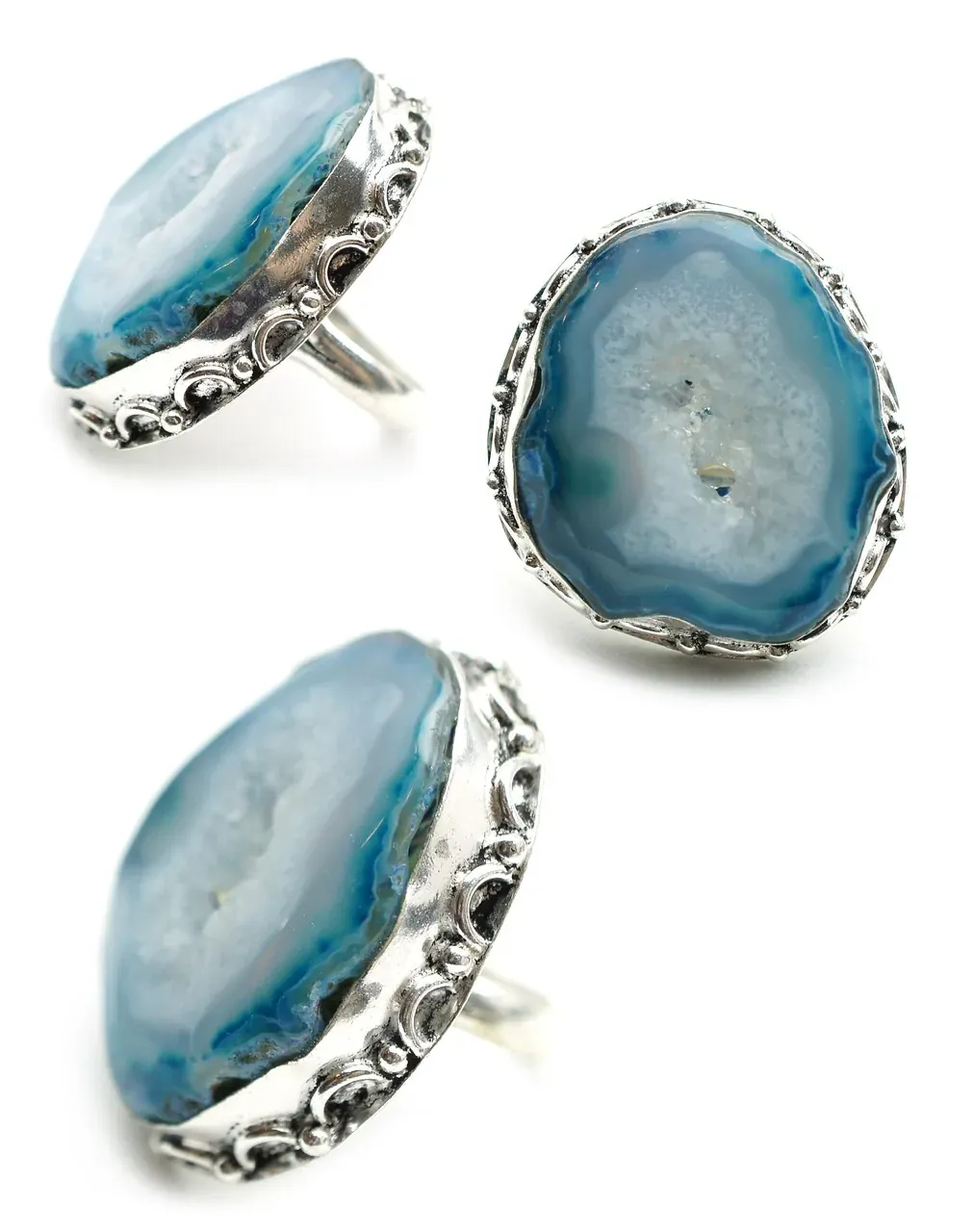 Photo from Pixabay by starbright
1. Rings#
Rings are the classic choice. They stay in contact with your skin all day, which many keepers feel strengthens the bond. Djinn rings are the best-known example.
2. Pendants and necklaces#
A pendant rests near the heart and the thymus area, the same spot where alignment is usually done. It is a good option if you cannot wear rings at work.
3. Bracelets#
Beaded or metal bracelets are easy to wear daily and to remove for offerings. Some keepers use gemstone beads that match the spirit's energy.
4. Dolls and figures#
Dolls, statues and figurines give the spirit a visible "body". They usually live on an altar rather than being carried, which suits spirits whose work centers on the home.
5. Stones and crystals#
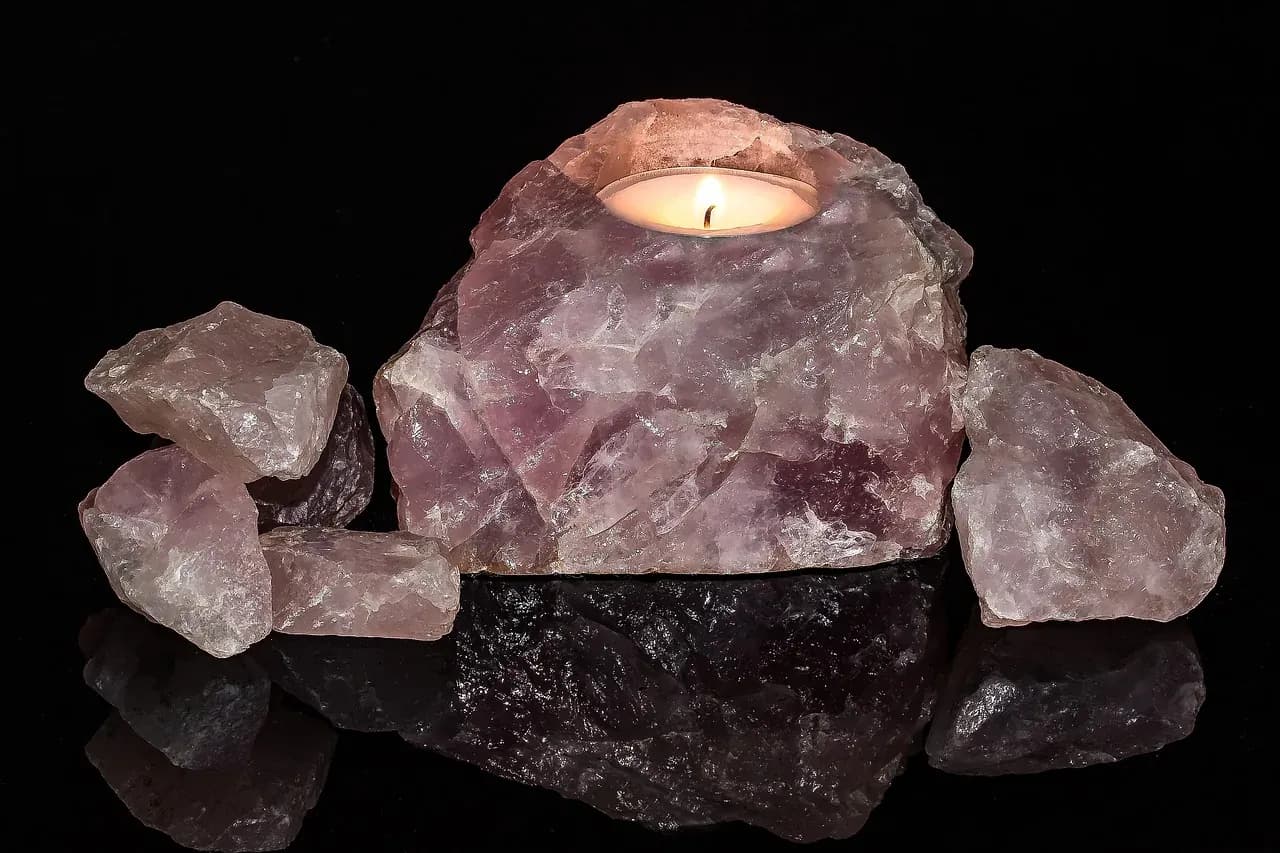
Tumbled stones, crystal points and agate are portable and naturally associated with energy work. In Indonesia, agate (batu akik) is a traditional vessel.
6. Boxes, bottles and heirlooms#
Small boxes, sealed bottles and inherited objects work well for spirits you prefer to keep at home. Heirlooms already carry family energy, which some keepers see as a bonus.
How Binding Works#
Binding is the process of forming an agreement between a spirit, a keeper and usually a vessel. Methods differ by tradition, but most follow a similar path.
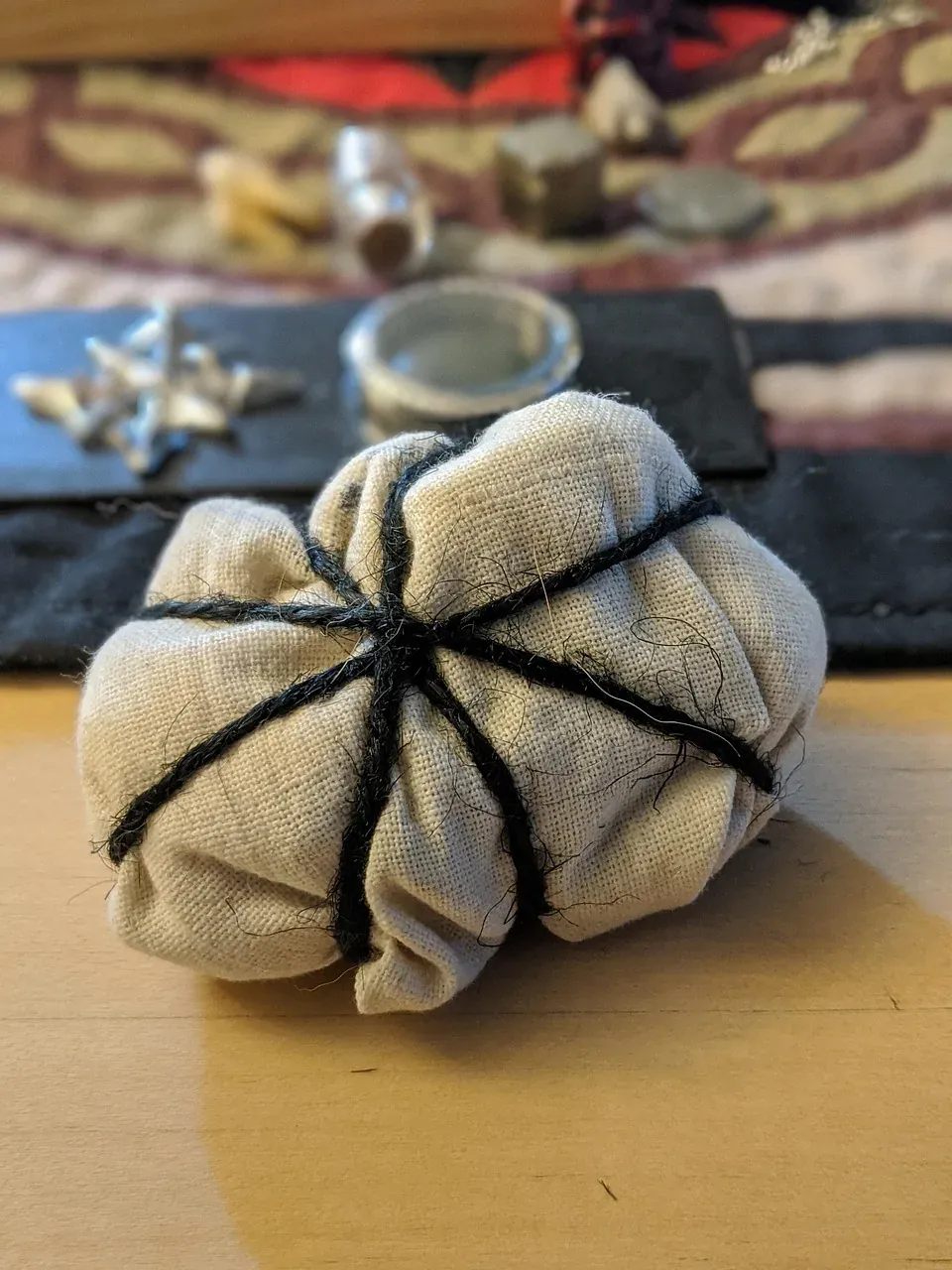 Photo from Pixabay by Angela_Yuriko_Smith
- Contact and vetting. An experienced practitioner contacts the spirit, checks its nature and intentions, and confirms it is willing.
- Agreement. Terms are set: who the keeper is, what the spirit will help with, and the house rules it must follow.
- Anchoring. The spirit's energy is linked to the keeper and to an object, sometimes during a ritual held on the vessel itself.
- Introduction. The keeper begins offerings and energy alignment so the bond can grow.
At Astadewa, bindings are done remotely. The spirit is linked to the keeper, and many keepers then choose a personal ring, stone or pendant as their focal point. Our guide on how to care for a spirit companion explains the alignment practice, where you hold the vessel near your chest and breathe in a steady rhythm to sync your energy.
A word of caution: many sellers on auction sites offer "haunted" rings and dolls with dramatic stories and no transparency. Before buying any spirit vessel, learn the warning signs in our article is spirit keeping a scam.
Signs a Spirit Has Settled Into Its Vessel#
After a binding, keepers often wonder whether anything has actually changed. Experiences vary a lot, and some people feel nothing dramatic at all. The impressions keepers report most often in the first weeks include:
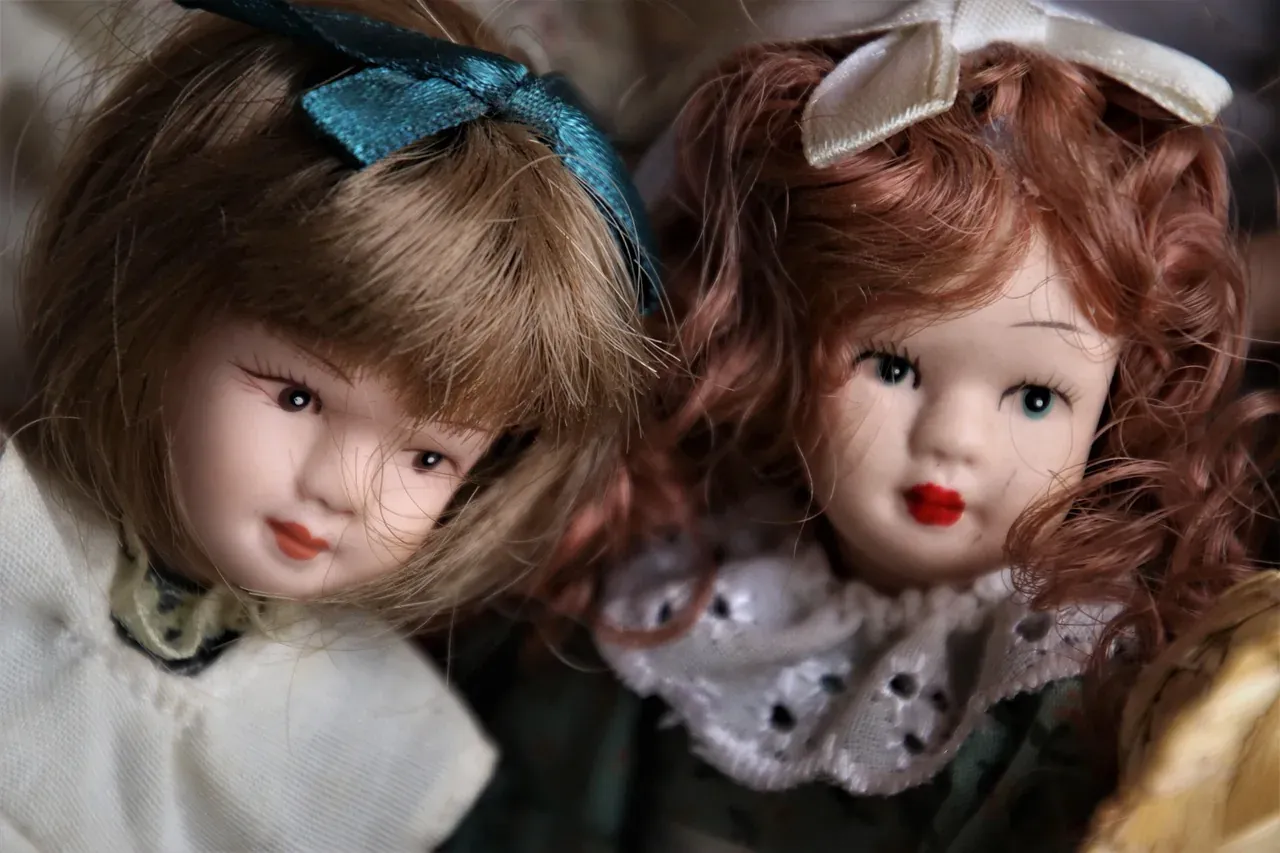 Photo from Pixabay by pasja1000
- Temperature changes. The ring or stone feels warmer or cooler than the surrounding air, especially during alignment.
- Tingling or pressure in the hand, chest or forehead while holding the vessel.
- Vivid dreams featuring a figure, an animal or a color linked to the spirit's description.
- A sense of company. Rooms feel less empty, or you sense a presence beside you during meditation.
- Pull toward the object. You find yourself reaching for the vessel at stressful moments without thinking about it.
None of these is required, and none is proof. A bond tends to grow slowly through consistent offerings, so give it at least a few weeks before judging. Keeping short notes after each alignment helps you see patterns you would otherwise miss.
How to Choose a Spirit Vessel#
If you are choosing your own focal object, ask yourself a few practical questions.
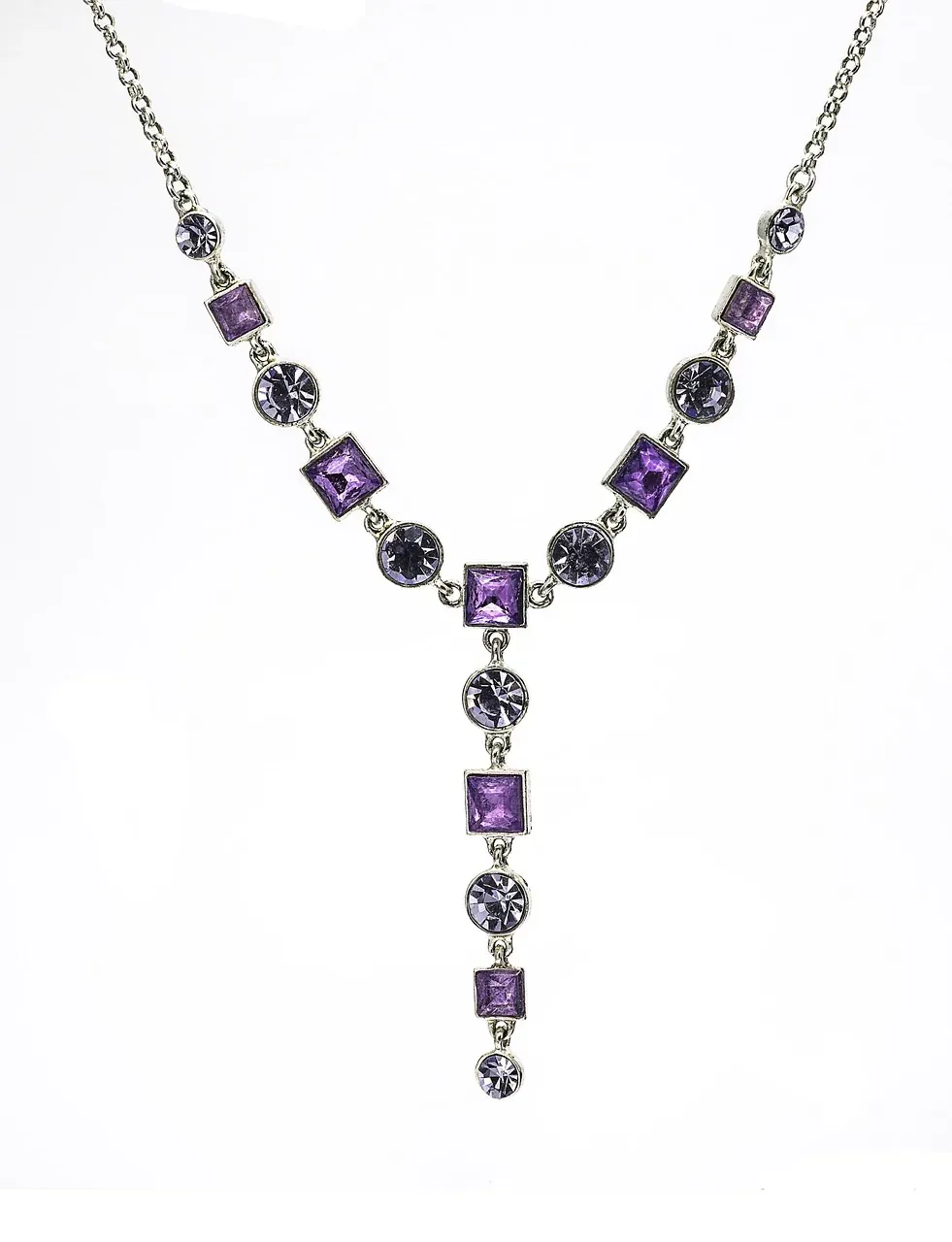 Photo from Pixabay by FernandoJose
- Will you wear it or keep it home? Wearable vessels suit protection and charisma work. Altar vessels suit home guardians.
- Does it feel right? Hold it for a minute. Many keepers report warmth, tingling or a sense of calm when the match is good.
- Is it durable? A cheap ring that tarnishes in a week is a poor long-term home.
- Is it yours alone? Avoid objects that other people use or handle often.
- Does it fit the spirit's energy? Gold and warm stones for wealth spirits, silver and clear quartz for guidance, dark stones for protection are common pairings.
Caring for Your Spirit Vessel#
A vessel is part of the relationship, so treat it with respect.
- Clean it gently. Wipe it with a soft cloth. Avoid harsh chemicals.
- Cleanse its energy. Pass it through incense smoke or leave it in moonlight once a month.
- Store it with care. When you are not wearing it, keep it on your altar or in a clean cloth pouch.
- Do not lend it. Other people's energy can blur the spirit's connection to you.
- Keep up offerings. The vessel is the natural place to present incense or oil every one or two weeks.
Spirit Companions That Suit Wearable Vessels#
Every spirit companion can work through a personal focal object, but some keepers especially enjoy wearing the vessel of a spirit that walks with them all day. Two popular choices from our guidance category:
- Bronwyn is an angelic spirit from the celestial realms, known as one of the "Destiny Architects". Its description centers on potential and accuracy, helping the keeper unlock hidden skills while offering protection.
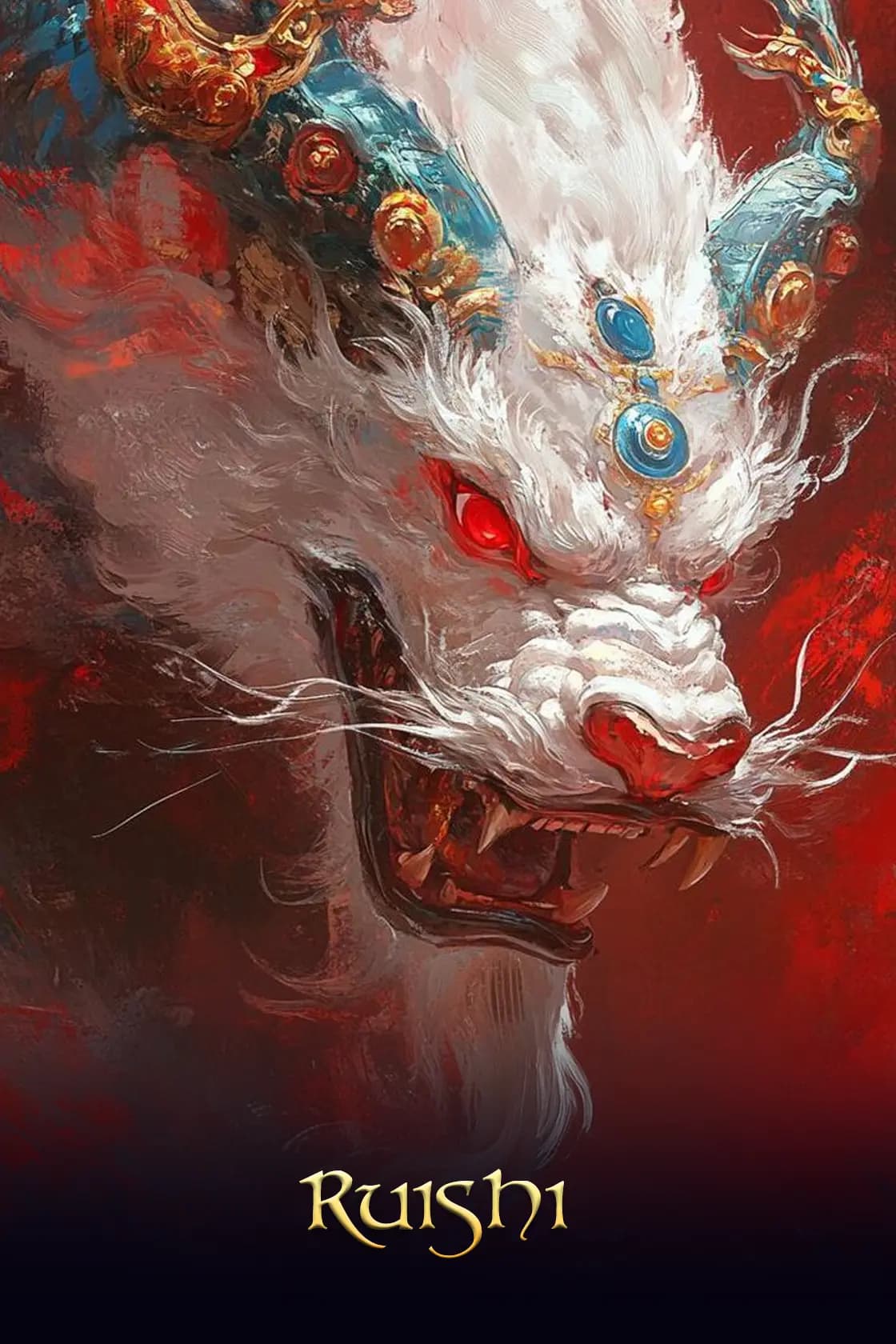
- Ruishi, also called the Fortune Lion, is a light-energy companion described as consuming bad energies, protecting your "Luck Frequency" and boosting authority and vitality.
If this is your first companion, our guide to choosing your first spirit companion helps you match a spirit to your goals. Experiences differ from keeper to keeper, and no result is guaranteed.
Frequently Asked Questions#
What happens if my spirit vessel breaks?#
Keepers generally report that the spirit is not harmed, because the bond lives between the spirit and you. Keep the pieces respectfully, cleanse a new object and invite the spirit to move into it during your next alignment.
Can I wear a spirit vessel in the shower or while sleeping?#
Practically, yes, if the material can handle water. Many keepers remove rings during bathing or intimacy out of respect, and some prefer to place the vessel on the altar overnight.
Can one vessel hold more than one spirit?#
Some practitioners bind several spirits to a single object. Beginners usually do better with one spirit per vessel so they can clearly recognize each energy.
Is a djinn ring a spirit vessel?#
Yes. A djinn ring is simply a ring used as the vessel for a djinn, following the tradition of Solomon's seal. The same principles of binding and care apply.
Conclusion#
A spirit vessel is the physical side of a spiritual partnership: an anchor, a doorway and a boundary in one object. Whether you choose a ring, a pendant, a doll or a family heirloom, what matters most is a clear binding, honest house rules and steady care. Treat the vessel with respect and it becomes the place where your bond with a spirit is easiest to feel.
Spirits mentioned in this guide

Related posts


No comments yet. Have a question or an experience to share? Start the conversation.