
What Is a Shadow Person? 5 Explanations and How to Stay Safe

A shadow person is a dark, human-shaped figure that people report seeing in the corner of a room, in a doorway or at the foot of the bed, usually for a second or two before it vanishes. Most sightings happen at night, when you are drifting off or just waking up, and they often come with a heavy sense of being watched.
So what is it really? The honest answer has two layers. Science explains a large share of sightings through sleep paralysis, tired eyes and an alert brain filling in the dark. Spirit keepers and many older cultures add a second layer: some encounters feel like a presence with intent, and those are worth handling calmly with good spiritual protection.
This guide walks through both layers in order, science first, so you can work out what you actually saw and what to do next.
Table of Contents [showhide]
- 1What Is a Shadow Person? The Short Answer
- 2What People Report Seeing
- 2.1The classic silhouette
- 2.2The black shadow person or "black mass"
- 2.3The peripheral flicker
- 2.4The child-sized or crouching figure
- 3The Science First: Sleep Paralysis and Other Explanations
- 3.1Sleep paralysis
- 3.2A tired brain filling in the dark
- 3.3Peripheral vision
- 3.4Medication, substances and sleep loss
- 4The Hat Man and Other Famous Shadow Figures
- 5Shadow People in Folklore and Spirit Keeping
- 6Is a Shadow Person Dangerous? Reading the Signs Calmly
- 7Spiritual Protection Against a Shadow Person
- 8When to See a Doctor
- 9Frequently Asked Questions
- 9.1Is seeing a shadow person a bad sign?
- 9.2What does a black shadow person mean?
- 9.3Why do I see shadow people out of the corner of my eye?
- 9.4Can a spirit companion protect me from a shadow person?
- 10Final Thoughts
What Is a Shadow Person? The Short Answer#
The term covers a family of experiences rather than one creature. Wikipedia's entry on the shadow person describes it as a humanoid shadow that believers in the paranormal read as a spirit, while skeptics point to sleep paralysis, hallucinations and the way our eyes handle darkness. Both readings appear in thousands of first-hand reports.
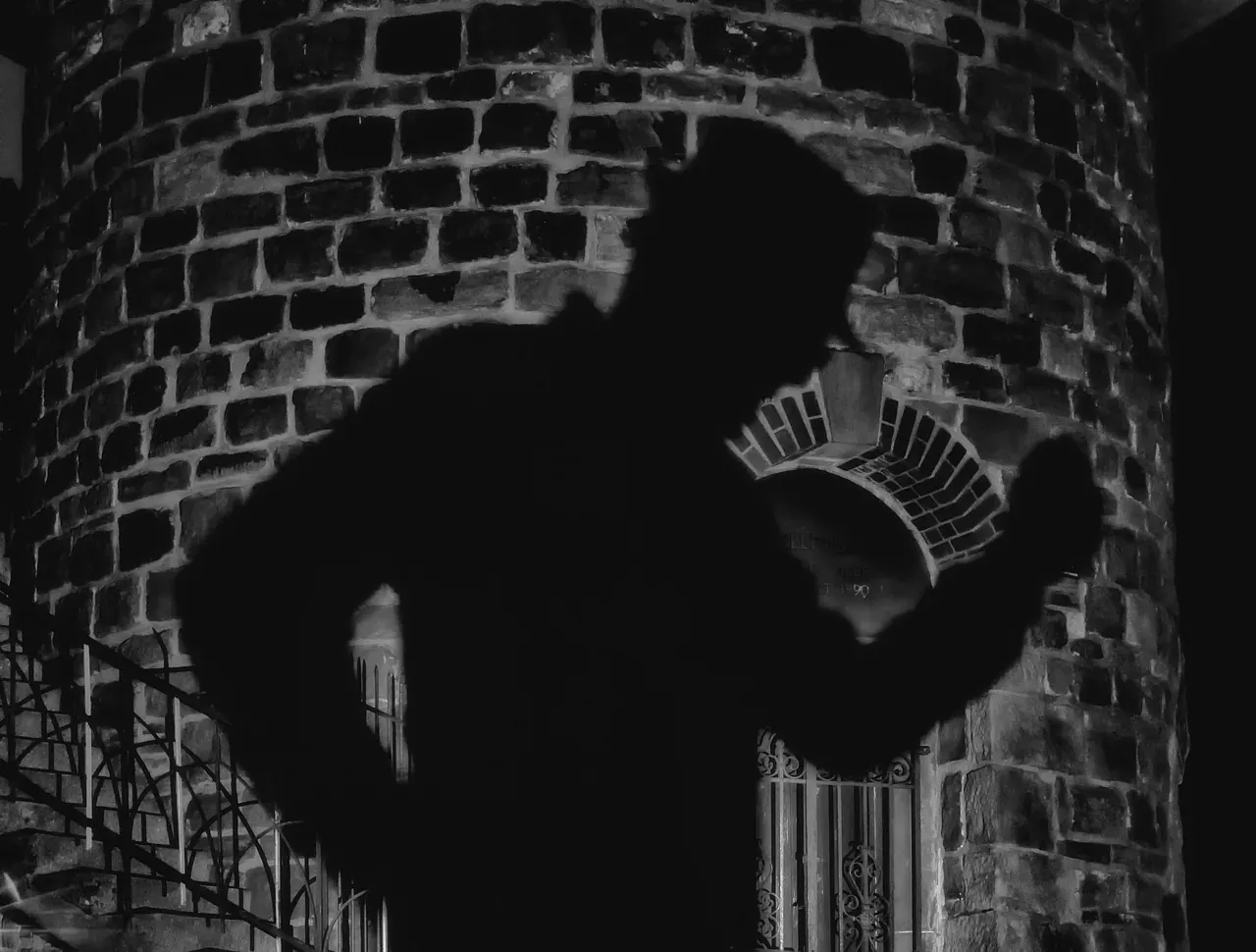 Photo from Pixabay by Tama66
What most reports share is a short list of features:
- A solid, featureless black silhouette, darker than the shadows around it
- No visible face, or at most a vague impression of eyes
- Movement at the edge of vision that disappears when you look straight at it
- A sudden feeling of dread, cold or pressure in the chest
- An encounter that lasts seconds, not minutes
What People Report Seeing#
Not every shadow person looks the same. Keepers and researchers who collect accounts tend to sort them into a few recurring shapes, and the shape often hints at the most likely explanation.
 Photo from Pixabay by hm_yahyaa
The classic silhouette#
This is a tall, human outline standing still in a doorway or hallway. It is the most common description and the one most often linked to the moments just before sleep or just after waking.
The black shadow person or "black mass"#
A black shadow person is sometimes described as blacker than black, almost like a hole cut into the room. Others describe a shapeless dark mass that drifts along a wall or across the ceiling rather than a clear human form.
The peripheral flicker#
Many people never see a full figure. They catch quick, darting movement in the corner of the eye, often while reading, watching TV or lying in bed with a dim light on.
The child-sized or crouching figure#
Less common, but still reported, are small figures that seem to crouch at the end of the bed or peek around furniture.
The Science First: Sleep Paralysis and Other Explanations#
Before you reach for a spiritual explanation, rule out the ordinary ones. This is not about dismissing your experience. It is about being fair to it, because the body can produce something that feels completely real.
 Photo from Pixabay by Claudio_Scott
Sleep paralysis#
During REM sleep your muscles are switched off so you do not act out your dreams. Sometimes the mind wakes up before that switch flips back. You are awake, you cannot move, and dream imagery spills into the real room. According to the Cleveland Clinic, an estimated 30% of people have at least one episode in their lifetime, and hallucinations of a dangerous person in the room are one of its classic symptoms.
Researchers describe an "intruder" type of hallucination: a sensed presence, footsteps, a dark figure, sometimes a weight on the chest. If your shadow person appeared while you were frozen in bed, sleep paralysis is the first thing to consider.
A tired brain filling in the dark#
When you are exhausted, anxious or grieving, the brain leans harder on prediction. In low light it receives very little information from the eyes, so it guesses. Coats on a door, a chair in a corner or a gap in a curtain can briefly become a person. This is a form of pareidolia, the same habit that makes us see faces in clouds.
Peripheral vision#
The edge of your vision is built to detect motion, not detail. It is wired to flag "something moved" before you know what moved. That is why a flicker in the corner of the eye vanishes the moment you turn your head.
Medication, substances and sleep loss#
Long stretches without sleep are strongly associated with seeing shadow people. So are certain substances, including high doses of the antihistamine diphenhydramine, which is widely linked to reports of the Hat Man. If sightings started after a change in medication, tell your doctor.
The Hat Man and Other Famous Shadow Figures#
The Hat Man is the best known shadow person of all. People in different countries, with no contact with each other, describe a tall figure in a long coat and a wide-brimmed or old-fashioned hat, often standing in the bedroom doorway and watching.
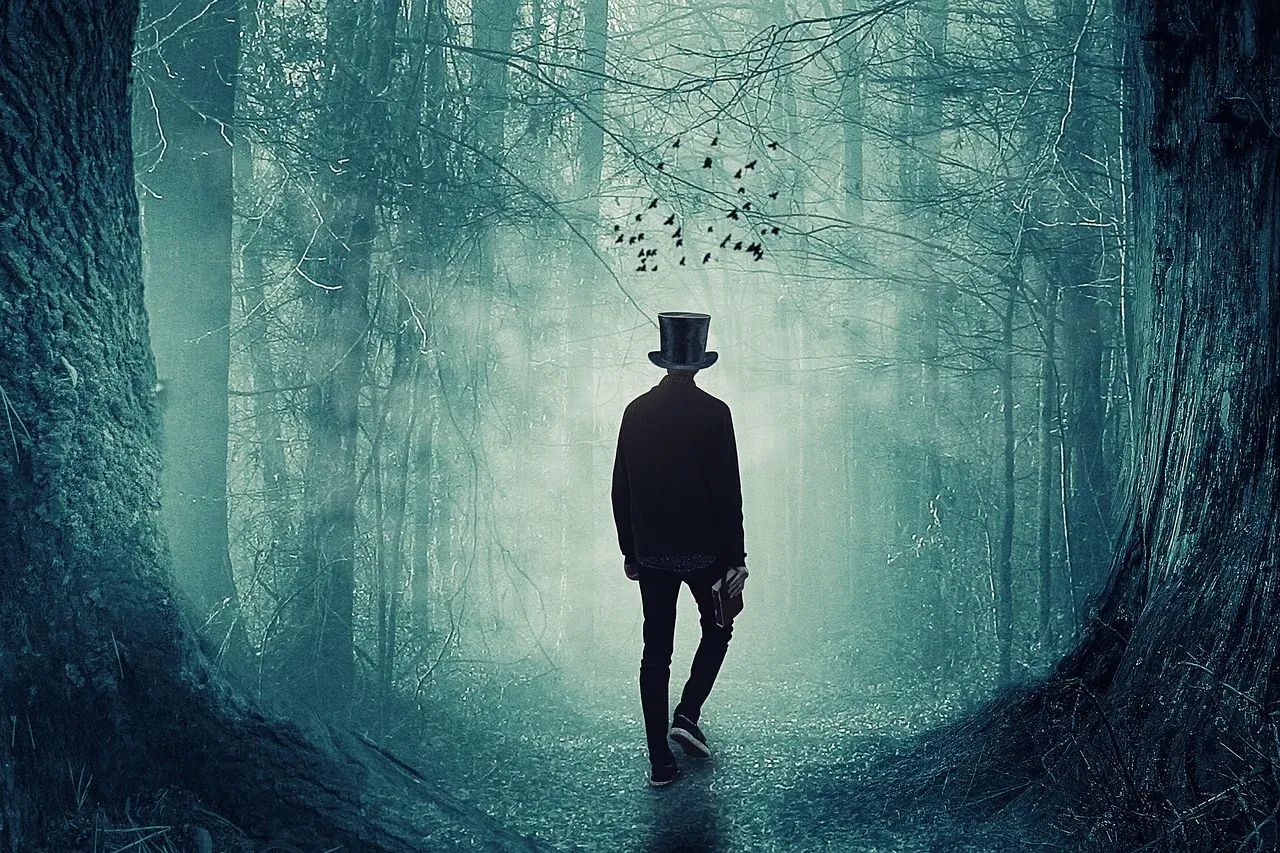 Photo from Pixabay by janrye
Skeptics note that he appears overwhelmingly during sleep paralysis or after deliriant use, and that a shared image spreads easily once it becomes famous online. Believers counter that the consistency of the details is exactly what makes him interesting. Both things can be true at once: a shared cultural image can shape what a frightened, half-awake mind projects.
Other recurring figures include the hooded shadow, which looks like a monk's robe with no face, and the "old hag," a crouching figure on the chest that appears in sleep paralysis folklore across Europe, Africa and Asia.
Shadow People in Folklore and Spirit Keeping#
Dark watchers are far older than the internet. Islamic tradition speaks of the jinn, beings made of smokeless fire that can appear as shadows. The Choctaw describe Nalusa Falaya, a shadowy being of the woods. In Java, people talk about genderuwo and other night presences that lurk near trees and old buildings.
The modern English term took off in 2001, after a run of listener calls and drawings on the late-night radio show Coast to Coast AM. From there the shadow person became a fixture of paranormal forums.
Within spirit keeping, experienced keepers usually describe three possibilities after the ordinary causes are ruled out:
- A passing entity. Something drawn to an open, unprotected space, often after heavy emotional events, a move or careless spirit work.
- Residual energy. An imprint tied to a place that repeats without any awareness of you.
- An unvetted contact. A presence that arrived through spirit boards, open invitations or a binding from an untrustworthy source.
None of these is proven in a lab, and we will not pretend otherwise. They are frameworks from tradition and lived experience that keepers use to decide how to respond.
Is a Shadow Person Dangerous? Reading the Signs Calmly#
Most sightings are brief, one-off events with no follow-up. Fear is the strongest part of the experience, and fear itself fades once you understand what happened. Ask yourself a few honest questions:
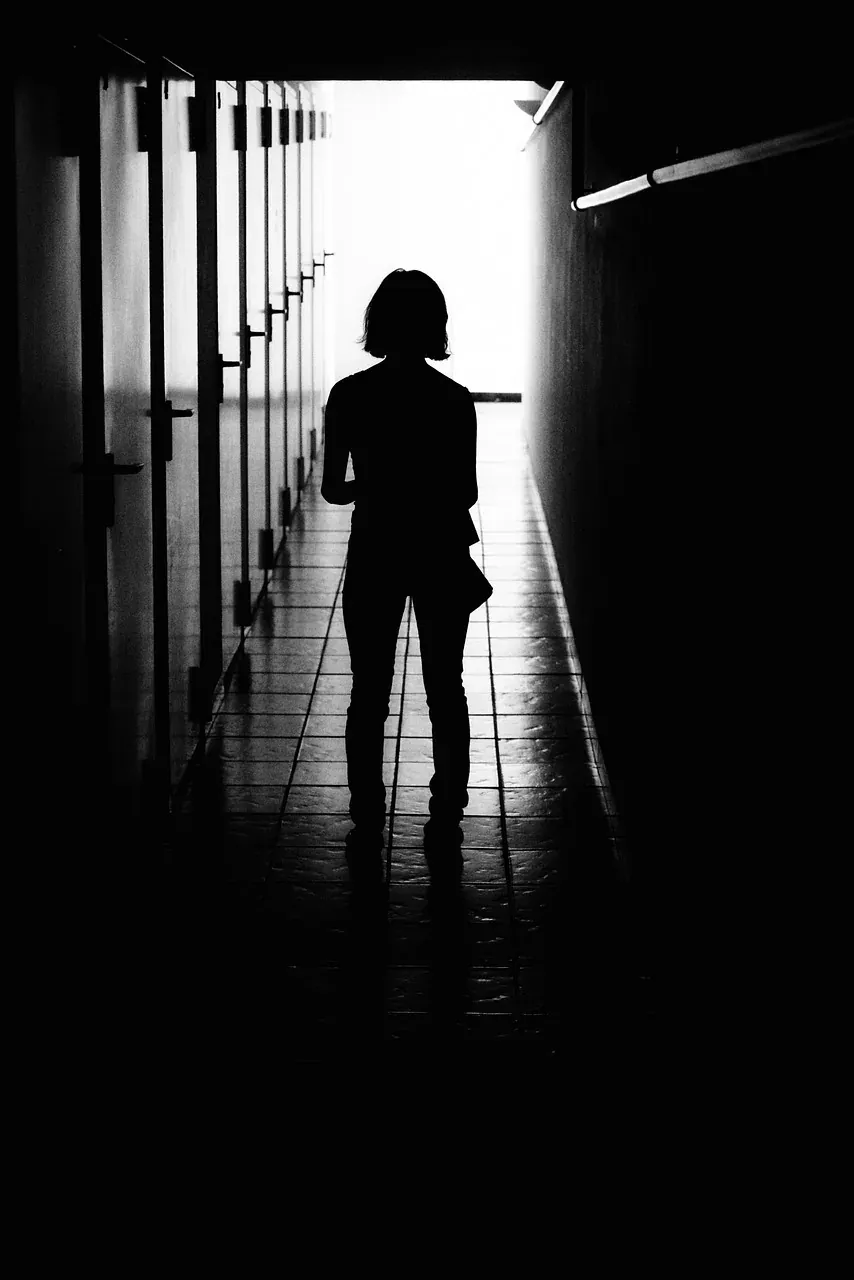 Photo from Pixabay by StockSnap
- Did it happen only while falling asleep or waking up?
- Were you short on sleep, ill, stressed or on new medication?
- Has it happened once, or does it keep returning in different rooms and at different times?
- Do other people or pets in the house react to the same spot?
- Does the space feel heavy even in daylight?
If your answers point to sleep and stress, start with rest and routine. If sightings repeat while you are fully awake, in daylight, or alongside other household disturbances, it is reasonable to treat the space as needing spiritual cleansing and protection, while still keeping the medical options open.
Spiritual Protection Against a Shadow Person#
Protection works best as layers, starting with simple habits and building up only if you need to. Here is a calm, practical sequence many keepers follow.
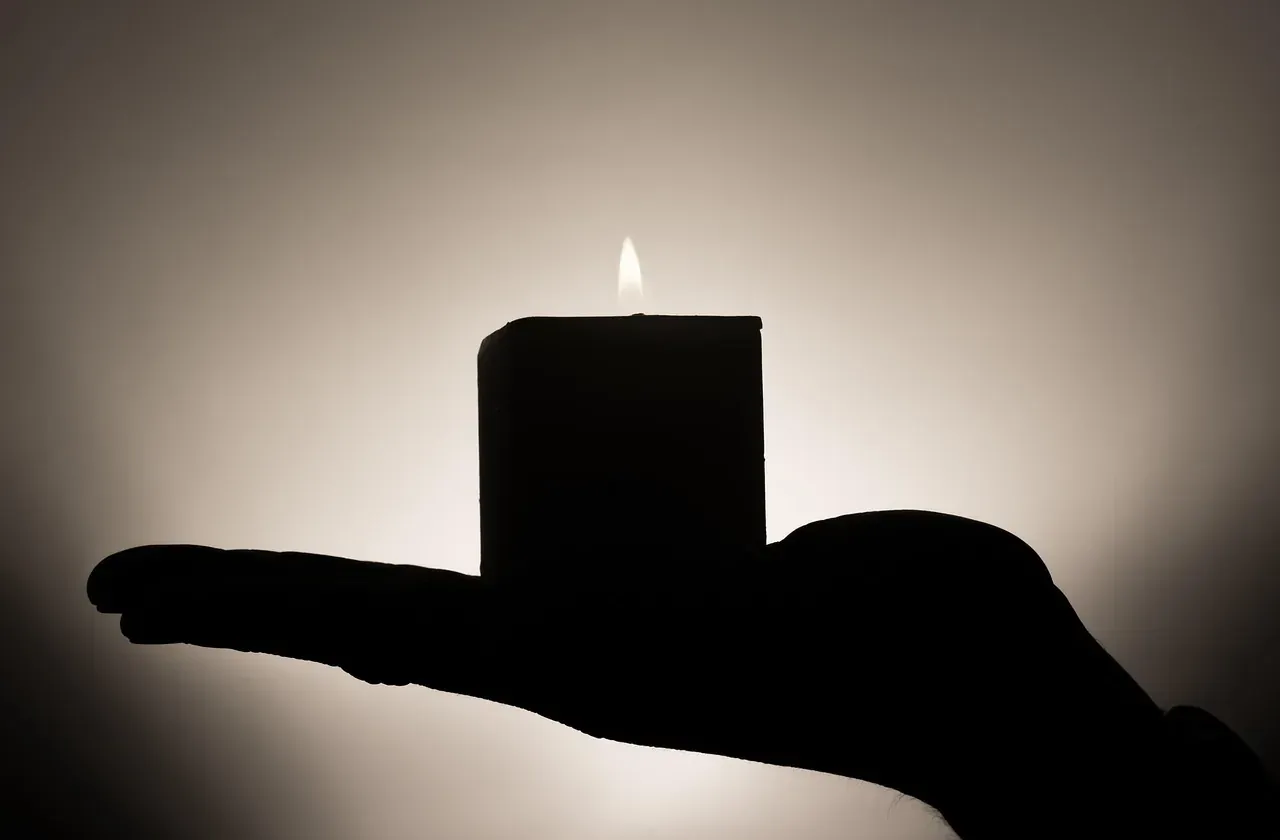 Photo from Pixabay by kundennote_com
-
Set the room. Use a small night light, clear clutter from the corner where the figure appeared and keep the bedroom door how you like it, open or closed, consistently.
-
Cleanse the space. Air the room, burn a cleansing herb or incense if that fits your path, and walk the room with a clear statement that only beings who mean you well may stay.
-
Cleanse yourself. Heavy emotions leave the aura frayed. Our guide to aura cleansing for beginners covers salt baths, smoke cleansing and visualization.
-
Set house rules. Say them out loud: no entity may touch you, disturb your sleep or frighten anyone in the home.
-
Add a guardian. For keepers, a vetted spirit companion bound to protection is the strongest long-term layer, because it holds the boundary even while you sleep.
If you are considering a guardian, start with our overview of the best protection spirit companions for home and browse the full protection category. Two that keepers often ask about for night-time disturbances are the Sekhmir companion, a fiery warrior spirit described as a specialist in Active Protection that shields his keeper, and the Anubis portal, the Guardian of Truth and protector of the gates between worlds, described as helping his keeper navigate the astral realms safely.
Whatever you choose, vet the source. Our honest look at whether spirit keeping is a scam lists the red flags to watch for, so fear does not push you into a bad purchase.
When to See a Doctor#
Spiritual practice should never replace medical care. Please talk to a doctor or sleep specialist if:
- You have frequent sleep paralysis episodes or loud snoring with daytime exhaustion
- You see figures or hear voices during the day, fully awake
- The experiences began after new medication or substance use
- Fear of sleep is affecting your work, mood or relationships
Sleep paralysis is usually harmless, but it can be linked to conditions such as narcolepsy or sleep apnea, and a professional can rule these out. Seeking help is not a sign that your experience was "fake." It is simply taking care of the vessel you live in.
Frequently Asked Questions#
Is seeing a shadow person a bad sign?#
Not necessarily. Most sightings are one-off events tied to sleep, stress or fatigue. In spirit keeping traditions, a single sighting is treated as a prompt to cleanse and protect your space, not as an omen.
What does a black shadow person mean?#
A black shadow person, described as darker than the surrounding shadows, is the most common type reported. Spiritually, keepers often read it as a lower-vibration presence or residual energy. Medically, it is a classic feature of sleep paralysis hallucinations.
Why do I see shadow people out of the corner of my eye?#
Peripheral vision is tuned to detect motion, especially in low light, and it fills in shapes quickly. Fatigue and anxiety make this stronger. If the flickers are frequent and you are well rested, an eye check is a sensible first step.
Can a spirit companion protect me from a shadow person?#
Many keepers report feeling safer and sleeping better after binding a protection companion, and they describe fewer disturbances in the home. Treat this as lived experience and tradition rather than a guarantee, and combine it with good sleep and cleansing habits.
Final Thoughts#
A shadow person can be one of the most unsettling things you ever see, yet in most cases it is your own sleeping brain at work. Start with the science, take care of your sleep and health, and then, if the presence keeps returning, build calm layers of spiritual protection around yourself and your home. Fear shrinks quickly once you know what to do.
Spirits mentioned in this guide
$80,00
$100,00


Related posts


No comments yet. Have a question or an experience to share? Start the conversation.