
What Is a Djinn? Origins, Djinn vs Genie and 7 Key Beliefs
A djinn (also spelled jinn, with jinni as the singular) is an unseen being from Arabian and Islamic tradition, said to be made from smokeless fire, to live alongside humans in a parallel world, and to have free will just like us. So if you are asking "what is a djinn?", the short answer is this: not a wish-granting cartoon, but a people of fire who can be kind, mischievous or dangerous, depending on their nature and their choices.
The word has travelled a long way, from pre-Islamic desert lore to the Quran, from the Thousand and One Nights to Hollywood, and today into modern spirit keeping. This guide walks through each stage, explains the difference between a djinn and a genie, and shows what keepers actually mean when they talk about a djinn as a spirit companion.
One note before we start: for well over a billion Muslims, the jinn are a matter of faith, not folklore. We'll keep that in mind and treat the subject with the respect it deserves.
Table of Contents [showhide]
- 1What Is a Djinn? The Short Answer
- 2Where the Djinn Came From: Pre-Islamic Arabia
- 3The Djinn in the Quran and Islamic Thought
- 4Djinn vs Genie: How the Wish-Granter Was Born
- 57 Things Tradition Says About a Djinn
- 6The Djinn Beyond Arabia: From Morocco to Java
- 7Djinn as Spirit Companions: What Keepers Mean
- 8Respect, Caution and Common Misconceptions
- 9FAQ
- 9.1Is a djinn the same as a demon?
- 9.2What is a djinn made of?
- 9.3Are djinn good or evil?
- 9.4Can a djinn be a spirit companion?
- 9.5How do you pronounce djinn?
- 10Conclusion
What Is a Djinn? The Short Answer#
The Arabic word jinn comes from the root j-n-n, which carries the sense of hiding or being concealed. The same root gives janna (a garden hidden by foliage) and majnun (someone whose reason is "covered", often translated as mad or possessed). In other words, the name first of all means a hidden one.
Grammar trips many people up, so here it is plainly:
- Jinn is the collective plural in Arabic ("the jinn").
- Jinni (or djinni) is one individual.
- Djinn is the French-influenced English spelling, now used for both singular and plural.
- Genie comes from the French génie, chosen by an 18th-century translator because it sounded like jinni and echoed the Latin genius, a guardian spirit.
According to the Wikipedia overview of the jinn, scholars still debate whether the word is purely Arabic or borrowed from the Aramaic ginnaya, a kind of tutelary spirit. Either way, the idea of a hidden people sharing the world with humans is very old.
Where the Djinn Came From: Pre-Islamic Arabia#
Long before Islam, the Arabs of the peninsula believed the desert was crowded with invisible life. Jinn were spirits of the wilderness: they lived in ruins, dry riverbeds, caves and lonely wells, and travellers were careful not to offend them when they camped.
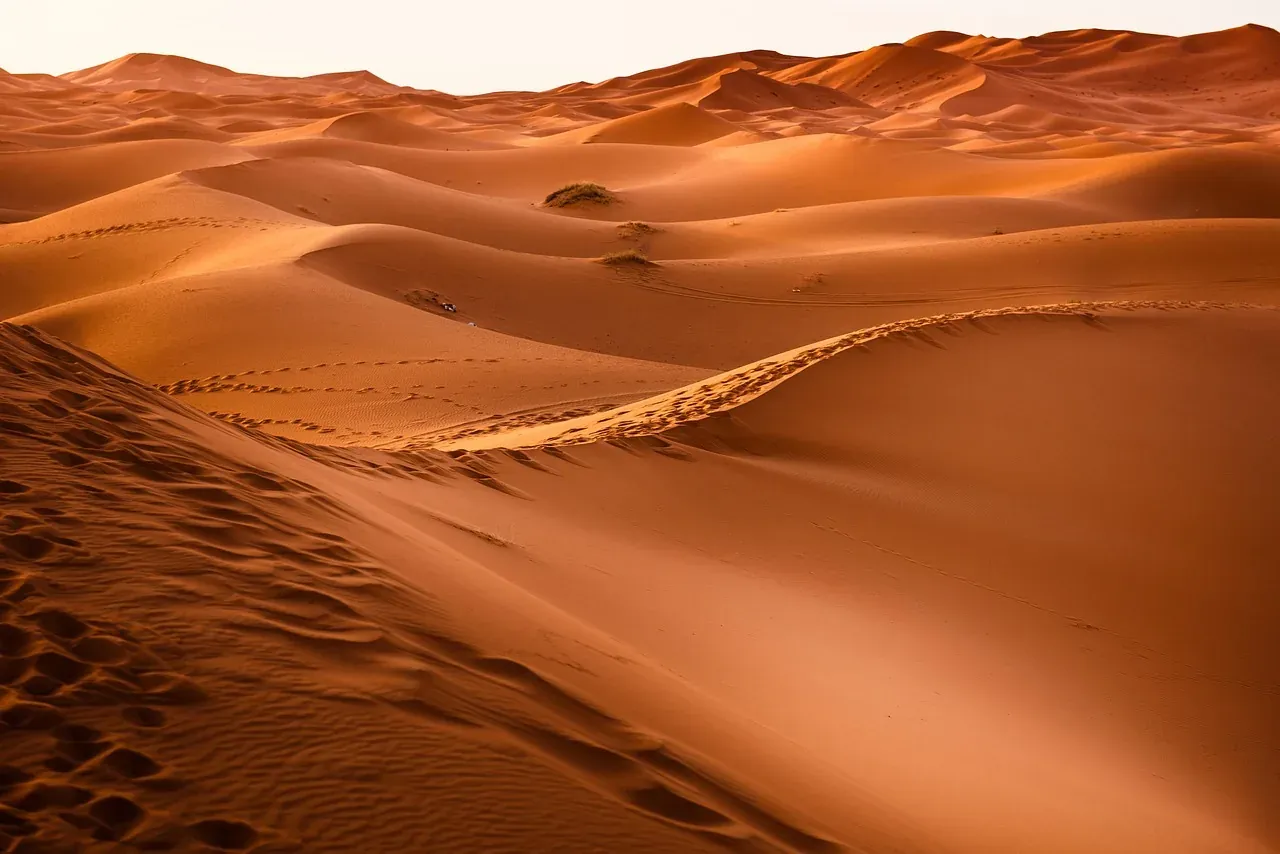 Photo from Pixabay by jpeter2
Some tribes made offerings to jinn, and soothsayers (kahin) and poets were thought to receive their inspiration from a jinni who whispered to them. A great poet was sometimes said to have his own jinni, a little like the Greek idea of a muse. These spirits were not quite gods, but they were powerful neighbours that you dealt with carefully.
That background matters, because it shaped how later tradition described them: territorial, linked to specific places, capable of help or harm, and very much part of daily life.
The Djinn in the Quran and Islamic Thought#
Islam kept the jinn but placed them firmly inside a single creation under one God. The Quran says that humans were made from clay, and that God "created jinn from a smokeless flame of fire" (Quran 55:15). Another verse (15:27) says the jinn were created before humanity.
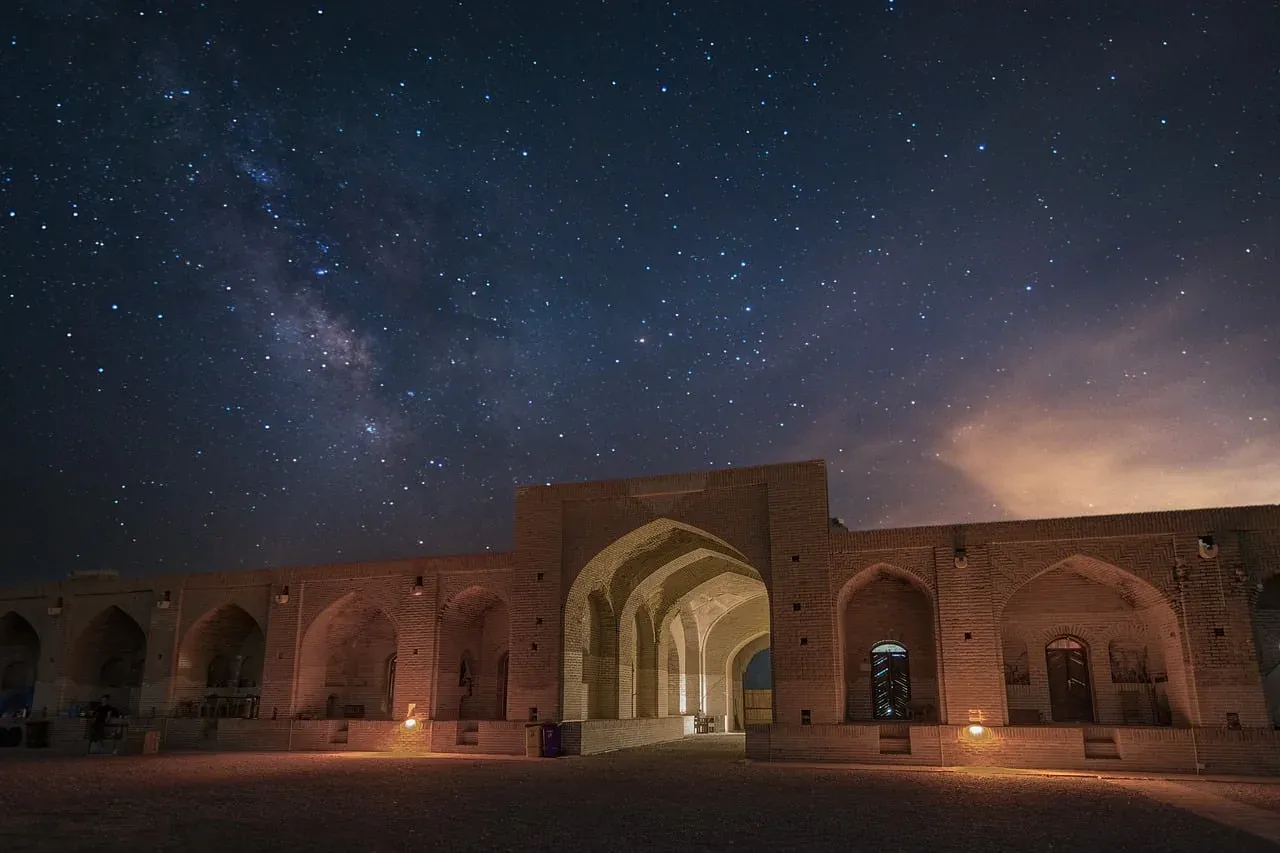 Photo from Pixabay by akbarnemati
A whole chapter, Surah 72, is named Al-Jinn. It describes a group of jinn who heard the Quran recited, believed, and went back to warn their own people. The point is clear: jinn have free will and moral responsibility. Some are believers, some are not, and like humans they will be judged.
Other details that appear across the Quran and Islamic scholarship:
- Iblis, who refused to bow to Adam, is described in the Quran as one of the jinn.
- Solomon (Sulayman) was given authority over jinn, who built for him and served him.
- Jinn and humans were both created to worship God (51:56).
Because of this, many Muslims hold that seeking help from jinn, or trying to command them, is spiritually dangerous or forbidden. If that is your faith, it deserves to be respected, including by the spirit-keeping community.
Djinn vs Genie: How the Wish-Granter Was Born#
The friendly blue genie who lives in a lamp and grants three wishes is a fairly modern invention. Between 1704 and 1717, the French scholar Antoine Galland published Les Mille et Une Nuits, the first European translation of the Thousand and One Nights. He rendered jinni as génie, and the English word "genie" followed.
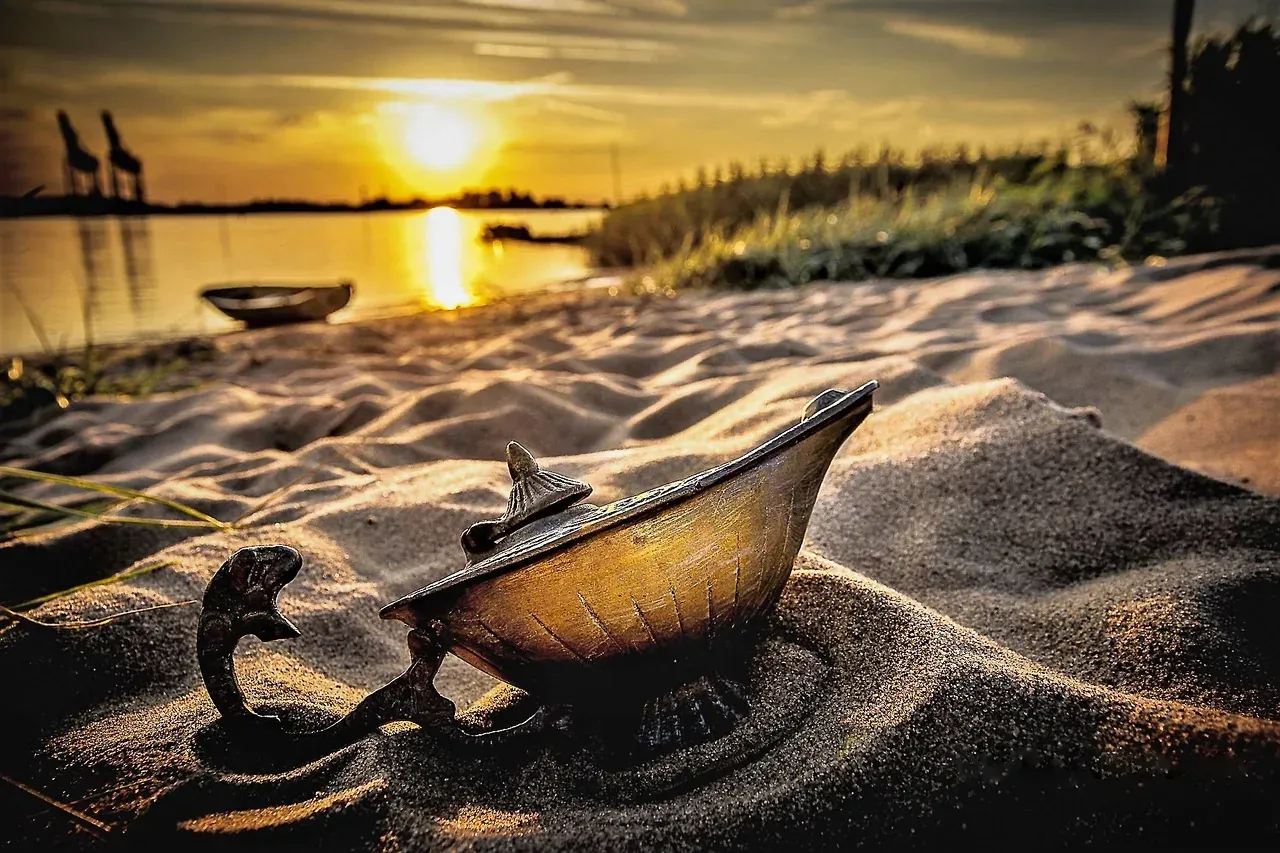 Photo from Pixabay by Karinamannott
Galland also added stories that are not in the older Arabic manuscripts. "Aladdin" is the famous example: he heard it from a Syrian storyteller, Hanna Diyab, in Paris. The lamp, the ring and the bound servant who must obey whoever holds the object come from that version, and later Western theatre and film turned it into the wish machine we know.
So, djinn vs genie in one line: a djinn is a being with its own will, community and moral choices; a genie is the Western storybook version, reduced to a servant who exists to grant wishes.
7 Things Tradition Says About a Djinn#
Sources differ by region and era, but these traits come up again and again:
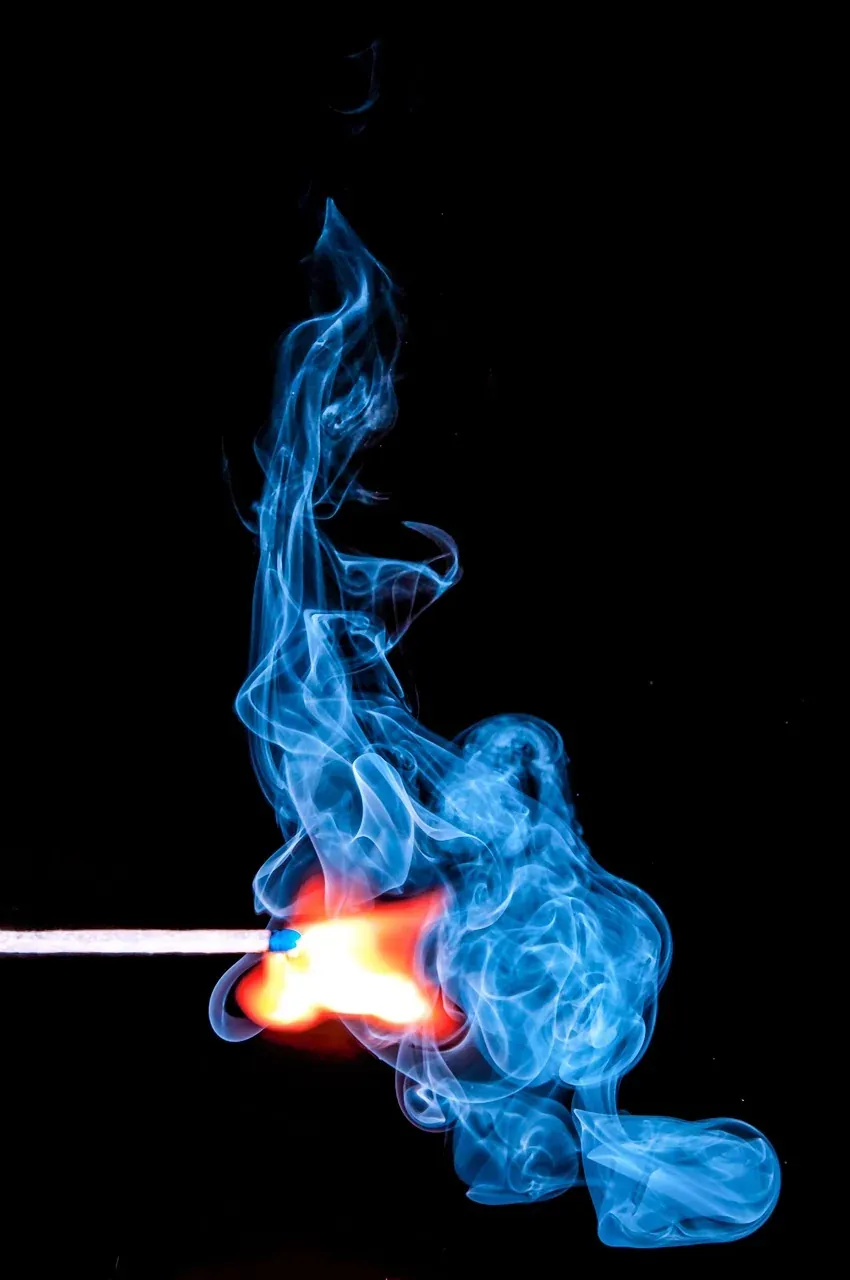 Photo from Pixabay by Christoph
- They are made of fire. Smokeless or scorching flame, often pictured as heat or shimmering air.
- They are usually invisible. Humans don't see them unless they choose to appear.
- They can change shape. Snakes, black dogs, cats, whirlwinds or human figures.
- They live in communities. They have families, tribes, rulers and even religions.
- They eat, marry and die. Their lives are far longer than ours, but they are not immortal.
- They prefer liminal places. Ruins, deserts, caves, wells and cemeteries.
- They are morally mixed. Good, neutral and malicious jinn all exist, which is why tradition advises both respect and protection.
Classical writers also sorted them into named kinds, such as the marid and the ifrit, but that typology is a topic of its own. Here, the key idea is that each one is a person, not a tool.
The Djinn Beyond Arabia: From Morocco to Java#
As Islam spread, belief in the jinn travelled with it and blended with local spirit traditions. In Morocco, figures such as Aisha Qandisha became famous. In Turkey, Iran, South Asia and East Africa, the jinn merged with older spirits of rivers, trees and houses.
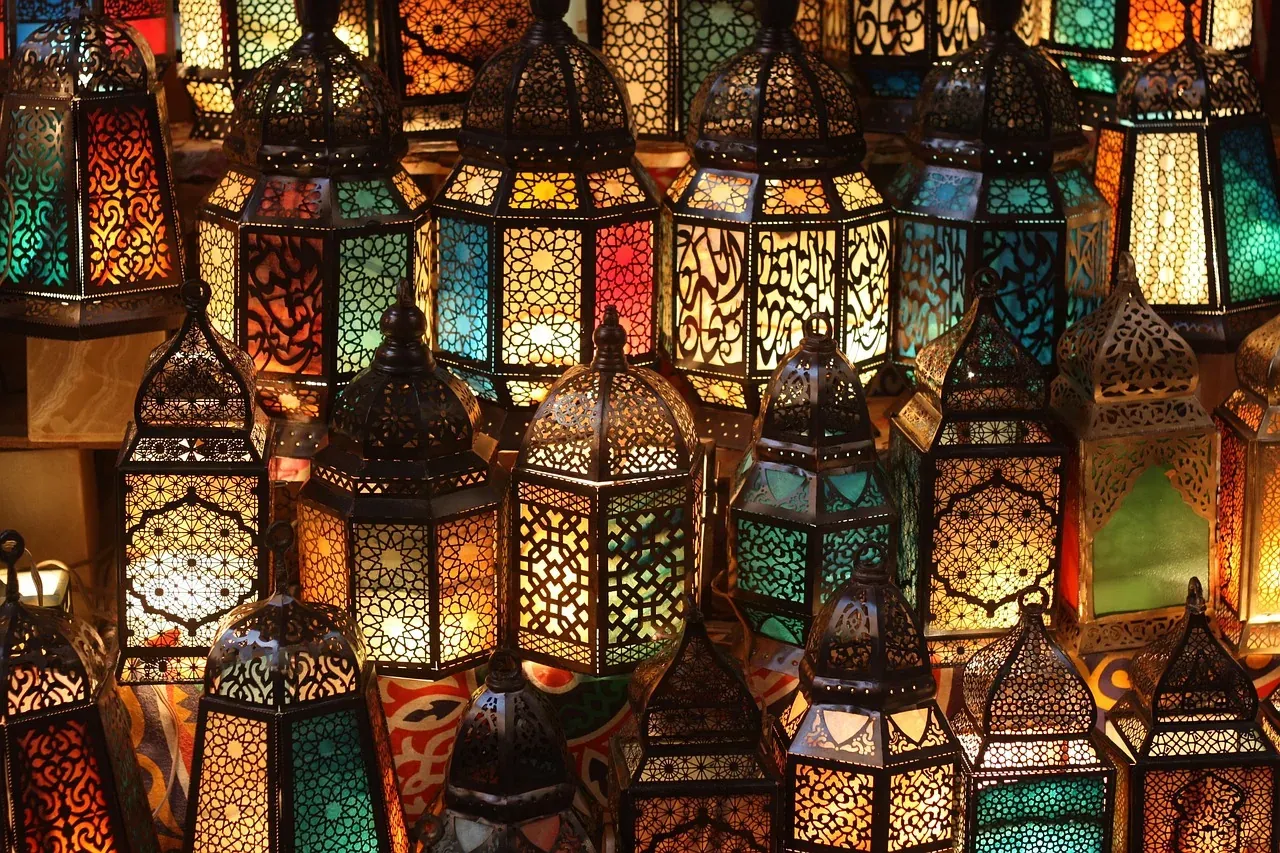 Photo from Pixabay by derMolf
Indonesia is a striking case. A 2012 Pew survey found that a majority of Indonesian Muslims affirm belief in jinn, and in Java the word jin sits comfortably alongside Javanese ideas of khodam, guardian spirits attached to a person, a lineage or a sacred heirloom (pusaka). That is the soil Astadewa grows from: a culture where unseen companions are an ordinary part of the spiritual landscape, approached with etiquette rather than fear.
Djinn as Spirit Companions: What Keepers Mean#
In modern spirit keeping, a djinn companion usually means a djinn who has agreed to work with one person through a binding, a formal link made with their consent. If you're new to the idea of a spirit companion, think of it as a long-term relationship with a non-physical being rather than a spell you cast once.
 Photo from Pixabay by Quark-Dose
Keepers describe these companions as intense, proud and highly capable. They often appreciate clear house rules, honest communication and regular attention: a candle, incense, a glass of water or simply time spent in meditation. Many keepers say they respond best to confidence and courtesy at the same time.
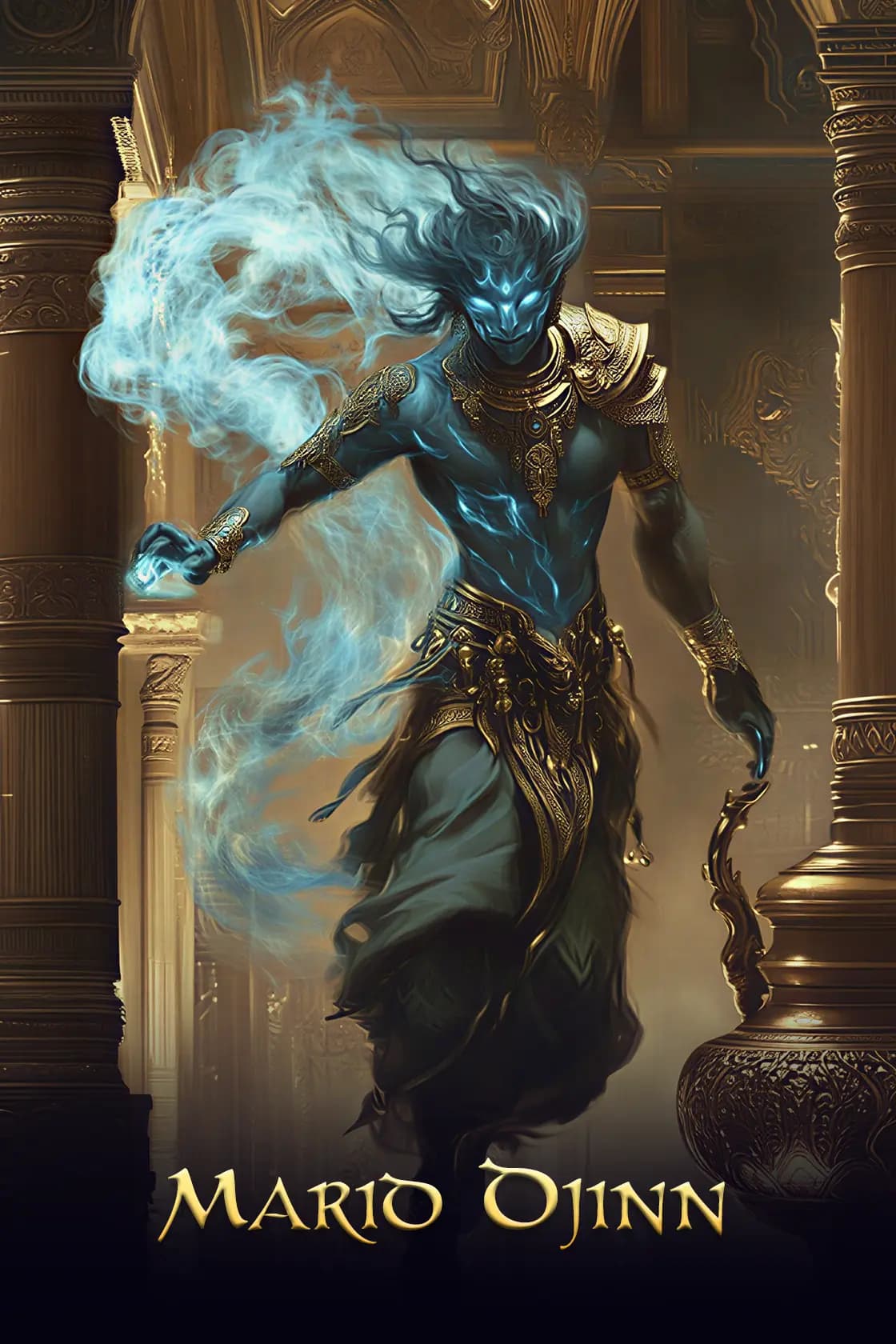
At Astadewa, the Marid Djinn is our example of this kind of companion. Its listing describes a strategic powerhouse "created from the sacred blue flame", with immense strength, and places it in the guidance, protection and wealth families. Keepers who want help with career and money goals often browse our wealth spirit companions and pair the work with practical steps, as described in our guide on how to attract money by working with spirits.
A gentle reminder: experiences with a djinn are personal and spiritual, never guaranteed. No spirit replaces a budget, a financial adviser or a doctor, and you should see a professional for anything involving health or money. If you want the foundations first, read Understanding Spirit Companion before you choose anyone.
Respect, Caution and Common Misconceptions#
Because these beings have their own will, the most common mistakes come from treating it like the genie of the films. A few honest points:
- A djinn is not a slave. Old stories of bound jinn usually end badly for the arrogant master.
- A djinn is not automatically a demon. Some traditions equate the two, but most sources describe good, neutral and harmful jinn.
- A djinn is not all-powerful. Tradition describes them as limited, created beings.
- Not every seller is honest. Vet anyone who offers spirit work, and read our guide on whether spirit keeping is a scam to spot the red flags.
If you feel fear, pressure or a sense that something is wrong, stop, ground yourself and step back. A healthy spiritual relationship never demands that you abandon your faith, your family or your judgement.
FAQ#
Is a djinn the same as a demon?#
Not exactly. In Islamic thought, the devils (shayatin) are rebellious jinn, but the jinn as a whole include believers and good beings as well. Western occultism sometimes uses "djinn" loosely for any fiery spirit, which adds to the confusion.
What is a djinn made of?#
Tradition says jinn were created from smokeless fire, while humans were created from clay and angels from light. That is why djinn are often linked with heat, flame and the colour blue in modern spirit keeping.
Are djinn good or evil?#
Both, and everything in between. Like humans, jinn have free will, so their character depends on the individual. Folklore advises courtesy toward all of them and protection from the harmful ones.
Can a djinn be a spirit companion?#
Many modern keepers work with a djinn as a companion through a consensual binding. Others, especially within Islam, consider any such relationship off limits. Both positions deserve respect, and the choice is yours.
How do you pronounce djinn?#
Usually "jin", rhyming with "gin". The d in the English spelling comes from French and is silent.
Conclusion#
So, what is a djinn? A hidden being of smokeless fire with its own mind, community and moral choices: older than the genie of the storybooks, more complex than a demon, and central to the faith and folklore of hundreds of millions of people. Whether you approach the djinn as a believer, a historian or a spirit keeper, the common thread is respect. Learn the tradition, honour its boundaries, and any relationship you build will start on solid ground.
Spirits mentioned in this guide
Related posts

No comments yet. Have a question or an experience to share? Start the conversation.