
How to Set Up an Ancestor Altar: 8 Steps for Beginners
An ancestor altar is a small, dedicated space where you remember and honor the people who came before you: a shelf or table with their photos, a candle, a glass of water and a few meaningful objects. Setting one up takes less than an hour, and you do not need any special lineage, religion or expensive supplies to begin.
This beginner guide walks you through the whole process: choosing a spot, deciding who to include, the essentials to place on the ancestor altar, what offerings to give, and how to build a simple rhythm of practice. We will also cover how to share altar space respectfully if you keep a guidance companion.
The timing is good, too. Late autumn is ancestor season in many traditions, from Día de los Muertos and All Souls' Day to Samhain, so this is a natural moment to start.
Table of Contents [showhide]
- 1What Is an Ancestor Altar?
- 2Who Counts as an Ancestor?
- 3Ancestor Altar Essentials
- 48 Steps to Set Up an Ancestor Altar
- 5Offerings: What to Give and How Often
- 6Building a Rhythm of Practice
- 7Sharing the Space With a Guidance Companion
- 8Late Autumn: Ancestor Season Around the World
- 9Frequently Asked Questions
- 9.1Where should an ancestor altar go in the house?
- 9.2Can I put photos of living people on an ancestor altar?
- 9.3What if I do not know who my ancestors are?
- 9.4Do I need to be religious to have an ancestor altar?
- 10A Place to Begin
What Is an Ancestor Altar?#
Honoring the dead is one of the oldest human practices we know of. Anthropologists group these customs under the veneration of the dead, and versions of it appear across China, Vietnam, Japan, Mexico, West Africa, Indonesia and much of Europe. The household ancestor shrine is one of its most common forms.
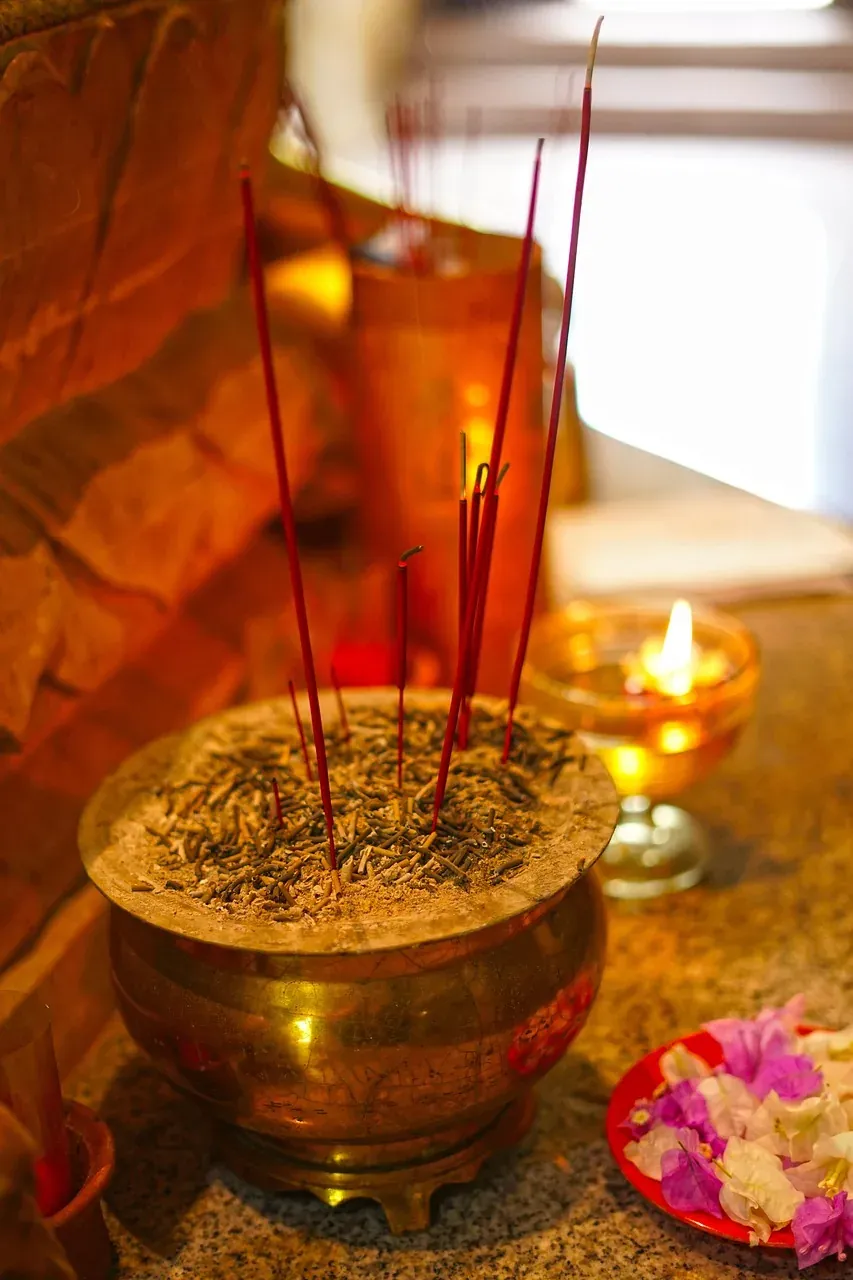 Photo from Pixabay by Dekanda
An ancestor altar is a focal point for that relationship. It gives you a physical place to speak to your dead, leave offerings, and feel their presence. For some practitioners it is a place of memory and gratitude. For others it is an active spiritual relationship, where ancestors are asked for guidance and protection. Both approaches are valid, and many people move between them over time.
Who Counts as an Ancestor?#
Before you set anything out, decide who your altar is for. The broad categories most practitioners work with are:
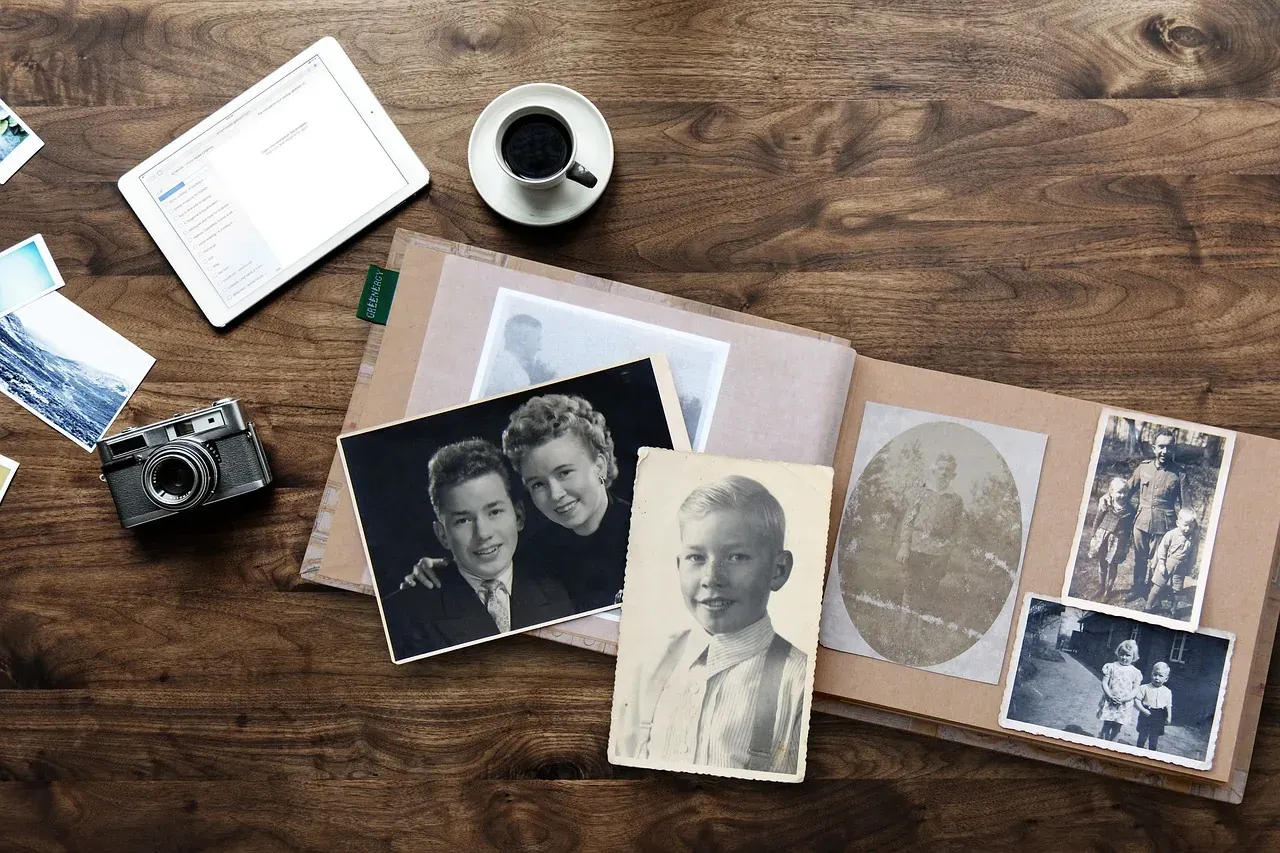 Photo from Pixabay by Bellahu123
- Blood ancestors. Parents, grandparents and the long line behind them, including people whose names you will never know.
- Ancestors of affection. Adoptive family, mentors, beloved friends, or anyone who shaped you and has passed on.
- Lineage ancestors. People connected to your craft, spiritual path, profession or community. A healer might honor healers who came before; a writer might honor writers.
You are never obliged to include someone who harmed you. Many practitioners honor "the well and wise ancestors" as a group rather than naming individuals, which leaves room for healing without forcing it. If a specific relative feels unsettled or heavy, simply leave them off your ancestor altar for now.
Ancestor Altar Essentials#
You can build a beautiful altar with what you already own. These are the core pieces:
-
A surface. A shelf, side table, mantel or windowsill. It should be somewhere you pass every day but that will not be used for keys, mail or clutter.
-
A cloth. White is traditional in many lineages, but any clean cloth that feels respectful works.
-
Photos of the dead only. A long-standing custom says not to place photos of living people on an ancestor altar. If you have no photos, use a written name, a map of a family homeland, or an object that represents them.
-
A glass of water. Clear water is the simplest and most universal offering. Change it often.
-
A candle. A white candle is the classic choice to give light to the dead. A battery candle is fine if open flame is not safe in your home.
-
Heirlooms. A ring, a recipe card, a rosary, a tool, a piece of fabric. Objects your ancestors touched carry a strong connection.
-
Incense or flowers. Many traditions use incense to carry prayers, and fresh flowers to bring life to the space.
8 Steps to Set Up an Ancestor Altar#
- Choose the spot. Many people place the altar in the living room, where family life happens. Avoid bathrooms, and avoid your bedroom if you are sensitive to energy while you sleep.
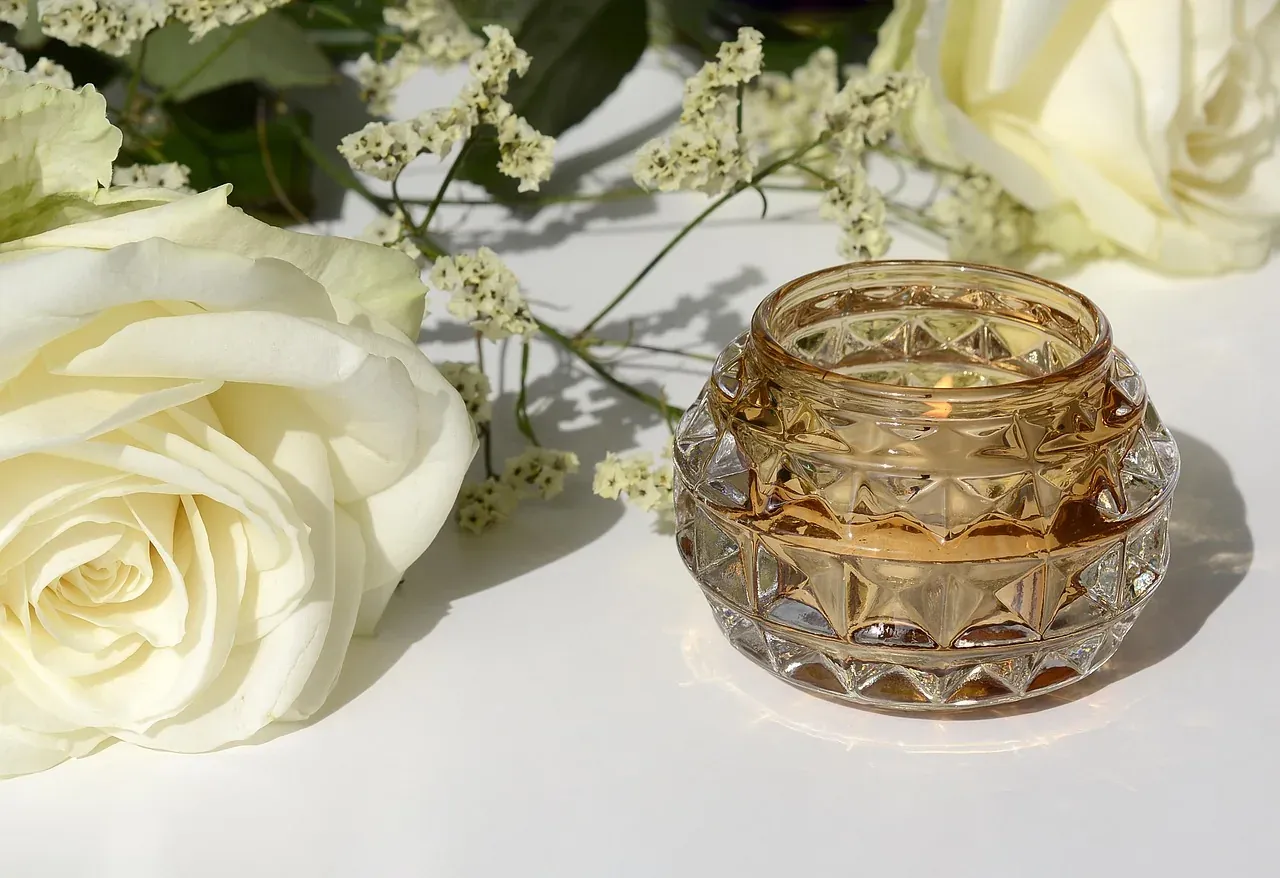 Photo from Pixabay by anncapictures
-
Clean the space physically. Dust, wipe and clear it completely. An ancestor altar should never be dusty or neglected.
-
Cleanse it energetically. Use smoke, a bell, salt water or a spray of Florida water, according to your practice.
-
Lay the cloth and arrange the photos. Place the oldest generation toward the back or top, and the most recent toward the front.
-
Add water, candle and heirlooms. Keep the water glass at the front, where it is easy to refresh.
-
Introduce yourself. Light the candle and speak aloud. Say your name, your parents' names, and why you are building this space.
-
Give your first offering. Something simple works best: fresh water, a flower, a cup of coffee or a small plate of food they loved.
-
Close and record it. Thank them, let the candle burn safely or snuff it, and note the date in your journal.
Never leave flames unattended, especially near paper photos and dried flowers.
Offerings: What to Give and How Often#
Offerings are how you feed the relationship. The general rule across traditions is to give what your ancestors enjoyed in life, and to give it with attention.
 Photo from Pixabay by IamNotPerfect
Common offerings include:
- Fresh water, refreshed daily or every few days
- Coffee, tea, or a small glass of their favorite drink
- Fruit, bread, rice or a portion of a family meal
- Flowers, especially those from your family's region
- Incense, candlelight and prayers
- Songs, stories and simply speaking their names
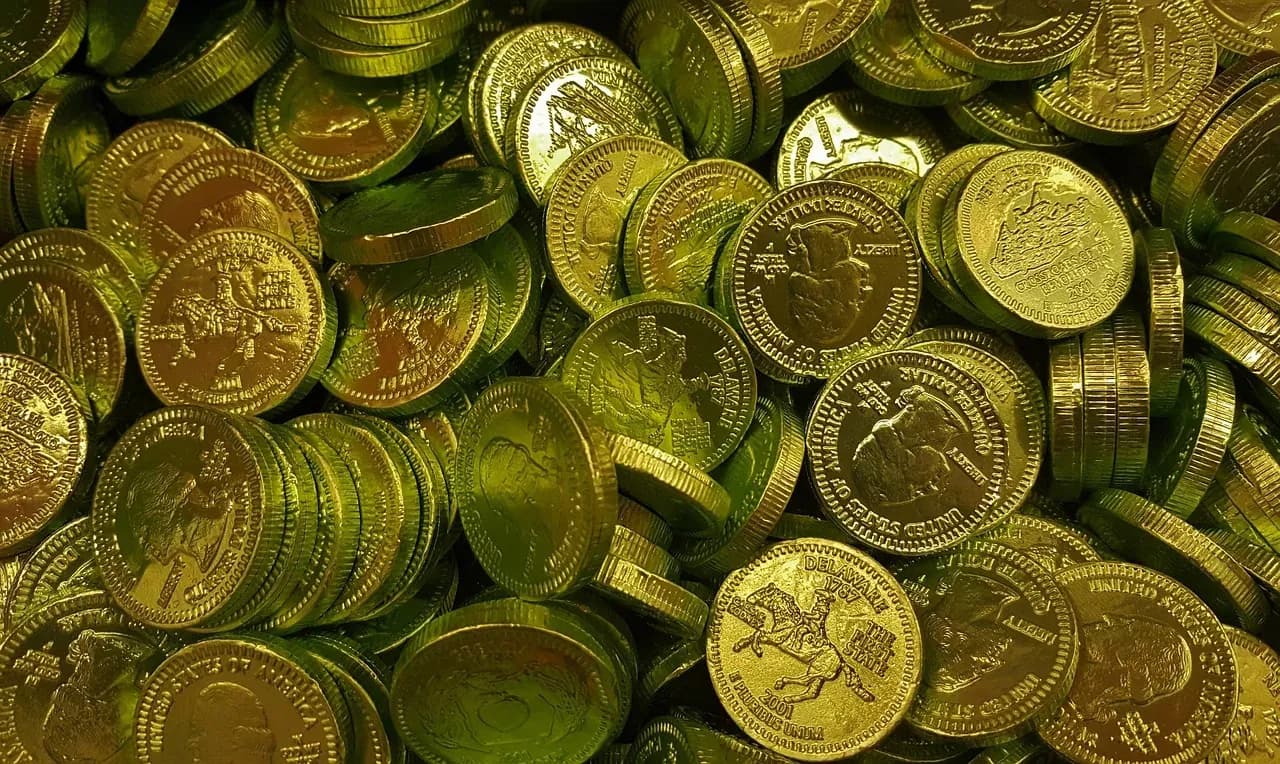
Remove food before it spoils. Spoiled offerings are one of the most common reasons an altar starts to feel "off". Practices differ on what to do with old offerings: some people eat them as a shared meal, others compost them or leave them outdoors. Choose what feels respectful in your own lineage.
Building a Rhythm of Practice#
A beautiful altar that is never visited slowly goes quiet. The key is a rhythm you can actually keep.
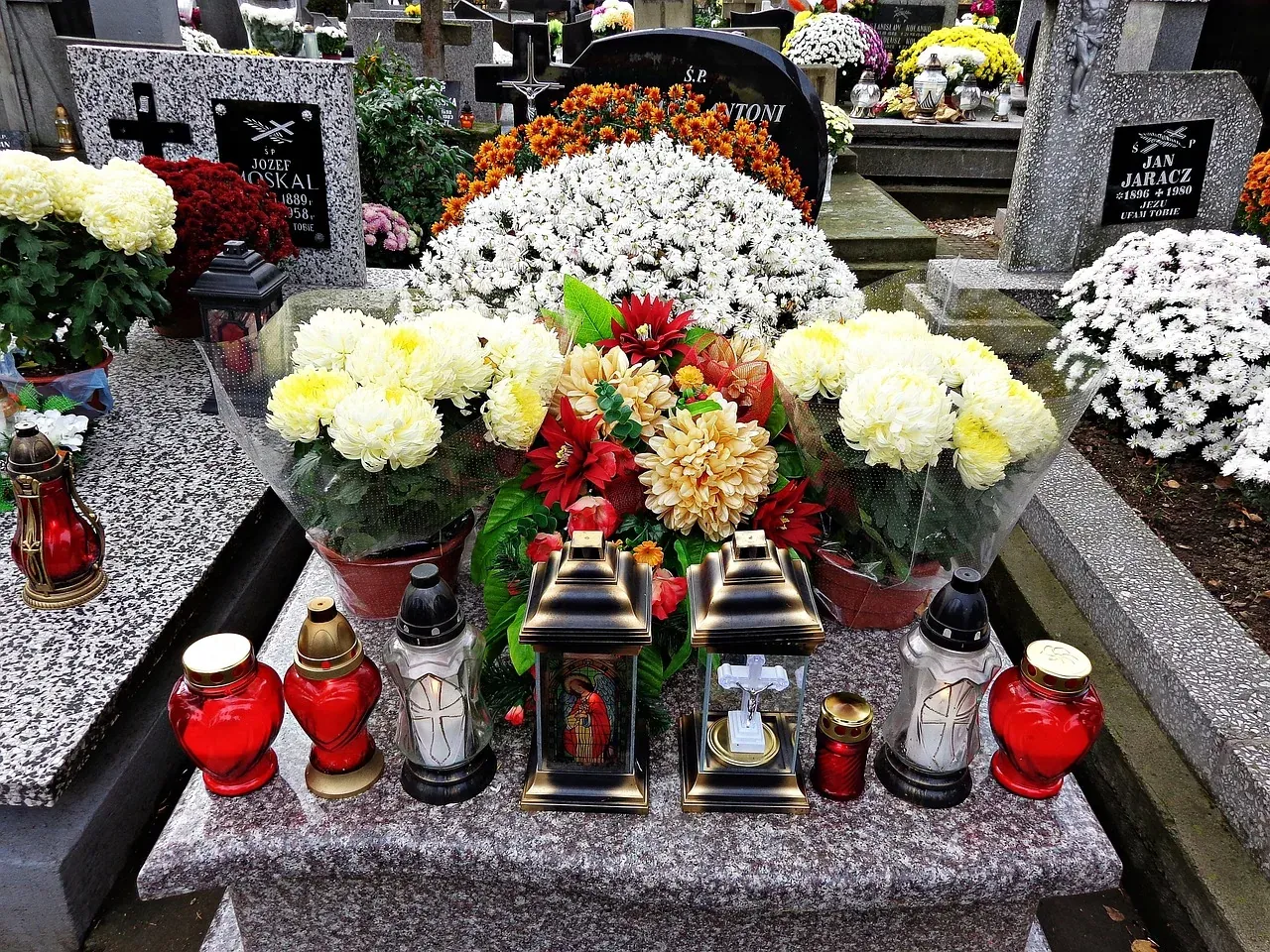 Photo from Pixabay by krzys16
A simple weekly rhythm looks like this: refresh the water, light the candle, speak for five minutes about your week, and listen. Once a month, do a deeper cleaning and give a special offering. On birthdays and death anniversaries, cook something they loved and set a plate out for them.
Pay attention to what happens afterward. Dreams, strong memories, songs on the radio and small coincidences are often how people describe ancestral contact. Writing them down in a ritual diary helps you notice patterns over months instead of relying on memory.
Visiting graves, cleaning headstones and keeping family stories alive are also part of ancestor work. The altar at home is one piece of a larger relationship.
Sharing the Space With a Guidance Companion#
Many of our keepers ask whether an ancestor altar and a spirit companion can share the same space. They can, as long as you set clear house rules.
The most common approach is to give each its own level or section. Ancestors typically sit higher or toward the center of the home's altar, while a companion's vessel sits on its own cloth with its own offerings. Introduce them out loud. Tell your ancestors who the companion is and why it is in your life, and tell the companion that this is your family's space and must be respected. Keep their offerings separate, so nothing meant for your grandmother ends up given to a spirit she never met.
Guidance-focused companions are a natural fit next to ancestors, because both are asked for direction rather than results. Two options keepers often consider:
- Omyang Jagad is a legendary Javanese spirit companion with roots in the ancient Kapitayan era, offering three lineages, including the Silver lineage for profound spiritual guidance.
- The Vajrayogini discipline, drawn from Tantric Buddhism, represents the "Indestructible Essence" and liberation from ego. Keepers use it as a foundation for inner clarity rather than as a companion.
You can explore other options in our guidance collection. Whatever you choose, the same care principles apply, and our guide on how to care for a spirit companion covers offerings, communication and boundaries in detail. Experiences differ from keeper to keeper, so go slowly and trust what you observe.
Late Autumn: Ancestor Season Around the World#
November holds a cluster of ancestor observances. In Mexico, Día de los Muertos (November 1 and 2) fills homes with ofrendas of marigolds, candles, sugar skulls and favorite foods. In many Catholic communities, All Souls' Day on November 2 is a day to pray for the dead and visit graves. Modern pagans mark Samhain around October 31 as the point when the veil between worlds is said to be thin.
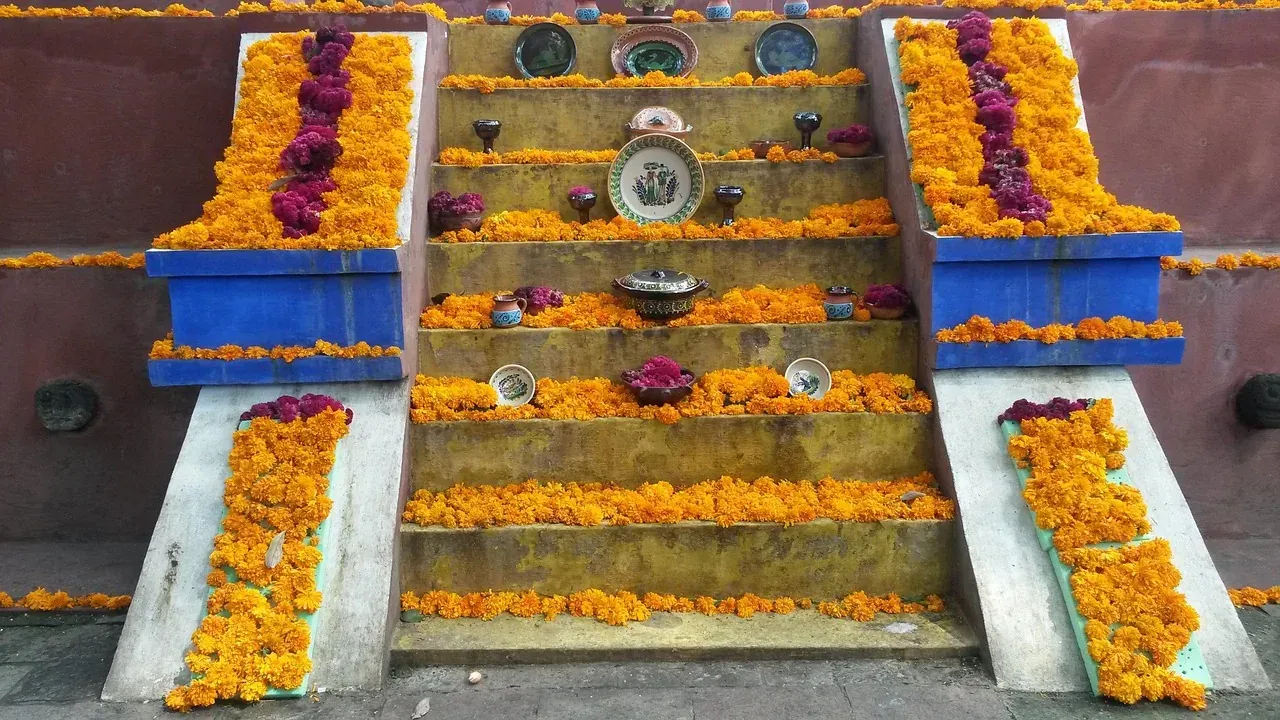 Photo from Pixabay by mbelling
In Java, families hold nyadran or ruwahan before Ramadan, cleaning ancestral graves and sharing food. Chinese families observe Qingming in spring and the Hungry Ghost Festival in late summer. If you have roots in any of these cultures, borrowing their timing is a beautiful way to anchor your own ancestor altar practice in the calendar.
Frequently Asked Questions#
Where should an ancestor altar go in the house?#
Choose a clean, respected space you pass often, such as a living room shelf or a quiet corner of the dining room. Avoid bathrooms and cluttered surfaces, and keep it out of reach of pets and young children if you use candles.
Can I put photos of living people on an ancestor altar?#
Most traditions say no. An ancestor altar is for the dead, and placing photos of the living there is widely considered bad luck or simply confusing. Keep living family on a separate shelf.
What if I do not know who my ancestors are?#
You can honor "my ancestors known and unknown" as a group. Adoptees and people with lost family records often do this, and many describe the connection as just as strong.
Do I need to be religious to have an ancestor altar?#
No. Many people keep an ancestor altar purely as a practice of memory and gratitude. You can make it as spiritual or as simple as feels right to you.
A Place to Begin#
Setting up an ancestor altar is less about getting every detail right and more about showing up. A clean surface, a photo, a glass of water and a few honest words are enough to begin. Keep it tidy, feed it with attention, and let the relationship grow at its own pace. Your ancestors waited a long time to be remembered; a little steady care goes a long way.
Spirits mentioned in this guide


Related posts
No comments yet. Have a question or an experience to share? Start the conversation.