

Types of Jinn: 9 Kinds From Marid and Ifrit to Si'lat

There is no single official list of the types of jinn. The Quran uses a handful of words (jinn, jann, ifrit, marid and shaytan), and later scholars, storytellers and regional folklore added more names: the ghul, the si'lat, the nasnas, the qarin and the hinn. Put together, they form a loose family of nine commonly named kinds, each with its own reputation.
This guide is a field map of those names. For each one you'll find what the word means, where it comes from, and what tradition says about its character, plus a quick table you can come back to. Where sources disagree (and they often do), we say so.
Table of Contents [showhide]
- 1How the Types of Jinn Were Classified
- 2Types of Jinn at a Glance
- 3Jann: The Ordinary Jinn
- 4Marid: The Rebellious Giant
- 5Ifrit: Cunning and Fierce
- 6Shaytan and Iblis
- 7Ghul, Si'lat, Nasnas and Other Folk Types
- 7.1Ghul
- 7.2Si'lat
- 7.3Nasnas
- 7.4Qarin and Hinn
- 8What the Types of Jinn Mean for Spirit Keepers
- 9FAQ
- 9.1How many types of jinn are there?
- 9.2What is the most powerful type of jinn?
- 9.3Is a marid stronger than an ifrit?
- 9.4What is a qarin?
- 10Conclusion
How the Types of Jinn Were Classified#
Three layers of sources shape the way people sort jinn today, and it helps to keep them apart:
 Photo from Pixabay by Pexels
- Scripture. The Quran names the jinn as a people made of fire and uses a few descriptive words for some of them. These words describe behaviour more than species.
- Scholarship. Classical writers such as al-Jahiz (9th century) sorted jinn by conduct. In his scheme, a wicked jinni is a shaytan, one strong enough to lift heavy loads and eavesdrop at the gates of heaven is a marid, and an exceptionally clever one is an 'abqari.
- Folklore. Desert tales, the Thousand and One Nights and local beliefs from Morocco to Java gave the names faces, habitats and personalities.
A well-known hadith adds a simpler, three-part division: jinn that fly through the air, jinn that appear as snakes and dogs, and jinn that settle in one place and then travel on. Keep these layers in mind and the apparent contradictions between lists start to make sense.
Types of Jinn at a Glance#
| Name | Meaning or root | Main source | Reputation |
|---|---|---|---|
| Jann | Early or ordinary jinn | Quran | The original or common jinn |
| Marid | "Rebellious" | Quran, scholars | Huge, proud, very strong |
| Ifrit | "Cunning, wicked" | Quran, Nights | Fierce, clever, dangerous |
| Shaytan | "Devil" | Quran | Jinn who chose rebellion |
| Ghul | "To seize, destroy" | Pre-Islamic lore | Desert shapeshifter |
| Si'lat | Female shapeshifter | Folklore | Clever, can pass as human |
| Nasnas | Half-being | Folklore | Half a body, hops on one leg |
| Qarin | "Companion" | Hadith | A personal jinni beside each human |
| Hinn | Weak jinn | Folklore | Gentle, sometimes doglike |
Jann: The Ordinary Jinn#
Jann appears in the Quran in the verses about creation from fire, and many commentators read it as the ancestor of the jinn or simply as another word for them. In folklore, the jann are the everyday jinn: the ones who share houses, wells and fields with people and who are offended by hot water thrown on the ground without a warning word.
If you meet the word in older texts, it usually signals "jinn in general" rather than a special rank. It is the baseline against which the other types of jinn are measured.
Marid: The Rebellious Giant#
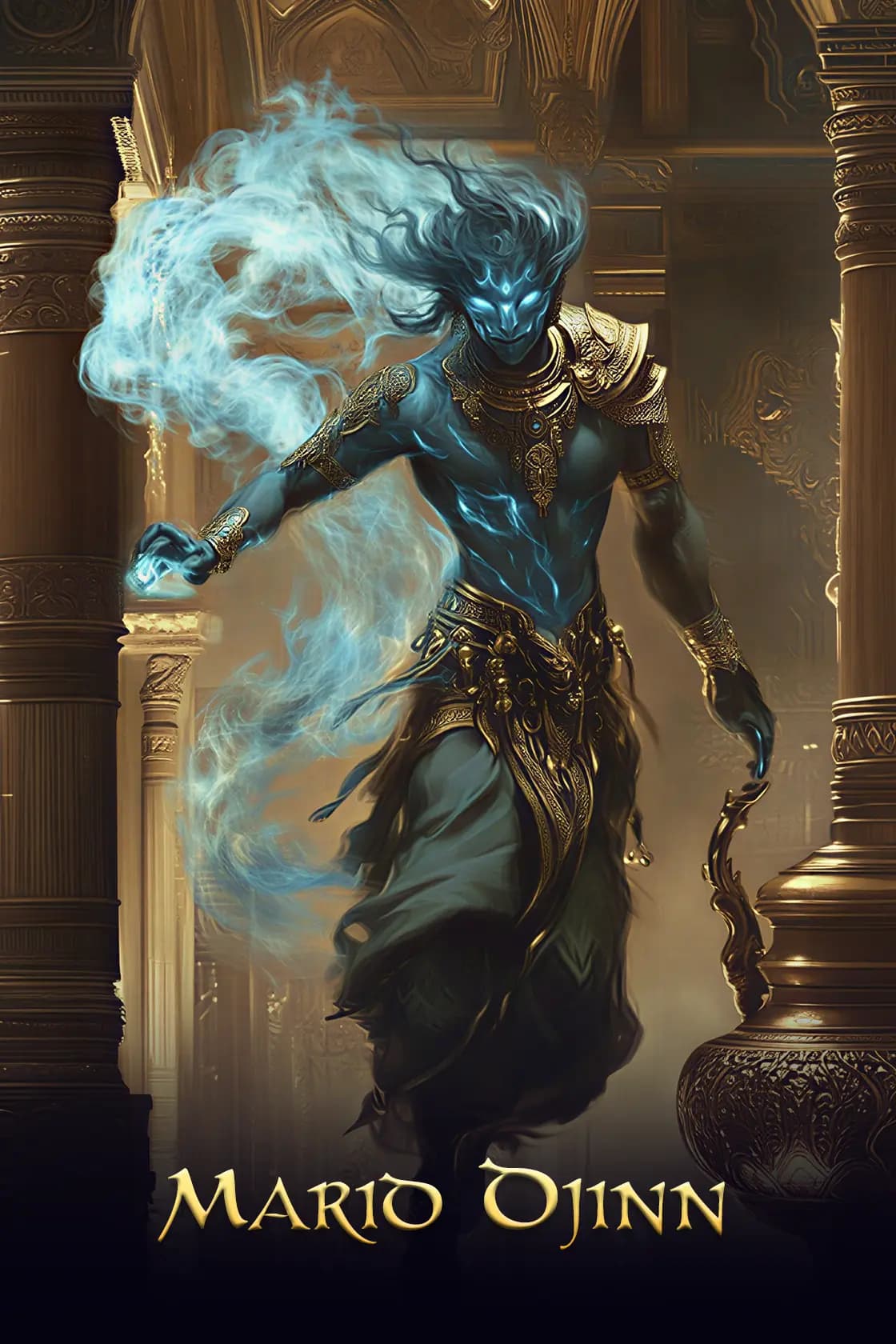
Marid comes from the Arabic root m-r-d, "to be rebellious or defiant". The Quran (37:7) speaks of the stars guarding heaven against "every rebellious devil", and classical lexicographers such as Edward Lane described the marid as an evil jinni "of the most powerful class". The Wikipedia entry on the marid notes that the label was never fully consistent: in some texts a marid is less cunning than an ifrit, and the Nights often uses the two words interchangeably.
 Photo from Pixabay by jplenio
Later storytelling made the marid huge, proud and difficult to command. In modern spirit keeping the name is used more broadly for a powerful, strategic jinni, and that is how Astadewa uses it. Our Marid Djinn companion is described as a strategic powerhouse "created from the sacred blue flame", working in the guidance, protection and wealth families. Keepers interested in direction and decision making can compare it with the other guidance spirit companions in the shop.
Ifrit: Cunning and Fierce#
The word ifrit is linked to a root meaning to roll in the dust, and early philologists used it for someone sly, malicious and cunning. Its most famous appearance is in the Quran (27:39): when Solomon asks who can bring him the throne of the Queen of Sheba, "an ifrit of the jinn" offers to do it before Solomon can rise from his seat.
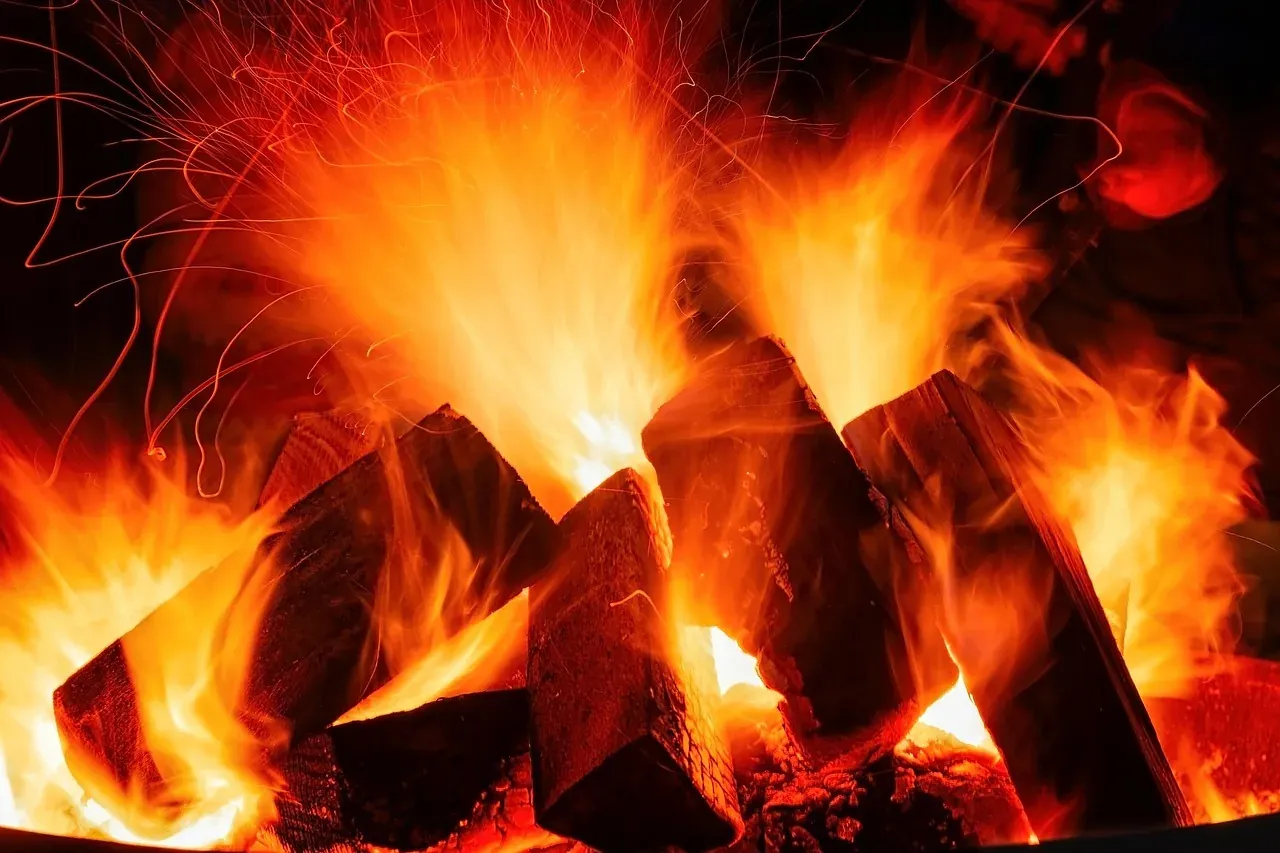 Photo from Pixabay by Tama66
In the Thousand and One Nights, ifrits kidnap princesses, turn princes into apes and burst out of sealed brass jars. According to the Wikipedia article on the ifrit, Moroccan belief makes them stronger than ordinary jinn but clumsier shapeshifters, and they are often linked with smoke, fire and places of violent death.
Shaytan and Iblis#
Shaytan (plural shayatin) is less a separate species than a moral category. In Islamic thought, Iblis was of the jinn, refused to bow to Adam and became the leader of those who rebel. Any jinni who follows that path can be called a shaytan, which is why some lists treat marids and ifrits as kinds of shayatin.
 Photo from Pixabay by Konyvesotto
This matters when you read lists online. When a source says "the jinn are demons", it is usually collapsing these categories. Most classical writers did not: they saw believing, neutral and rebellious jinn as distinct groups.
Ghul, Si'lat, Nasnas and Other Folk Types#
These names come mostly from desert storytelling and later collections of wonders rather than from scripture, so their details vary from region to region.
 Photo from Pixabay by Darkmoon_Art
Ghul#
The ghul is a pre-Islamic desert shapeshifter that lures travellers off the road, sometimes in the form of a beautiful woman, and devours them. It gave English the word "ghoul". Some tales say it can be killed with a single blow, because a second blow brings it back to life.
Si'lat#
The si'lat is usually described as a female jinni and the cleverest shapeshifter of all, able to pass for a human woman. Stories tell of si'lat who married men and lived among people until something revealed their nature.
Nasnas#
The nasnas is a strange half-creature with half a head, one arm and one leg, hopping through the wilderness. Some writers considered it the offspring of a jinni and a human, others an animal-like being of remote lands.
Qarin and Hinn#
The qarin is the personal jinni said in hadith to accompany every human being, whispering suggestions. The hinn are described as the weakest of the jinn, sometimes doglike, and are mentioned more in later lore than in classical texts.
What the Types of Jinn Mean for Spirit Keepers#
For a modern keeper, these categories are a starting vocabulary, not a rigid rank chart. Two jinn with the same label can feel completely different, just as two humans from the same town can. What matters most is the individual: its temperament, its boundaries and whether it agrees to work with you.
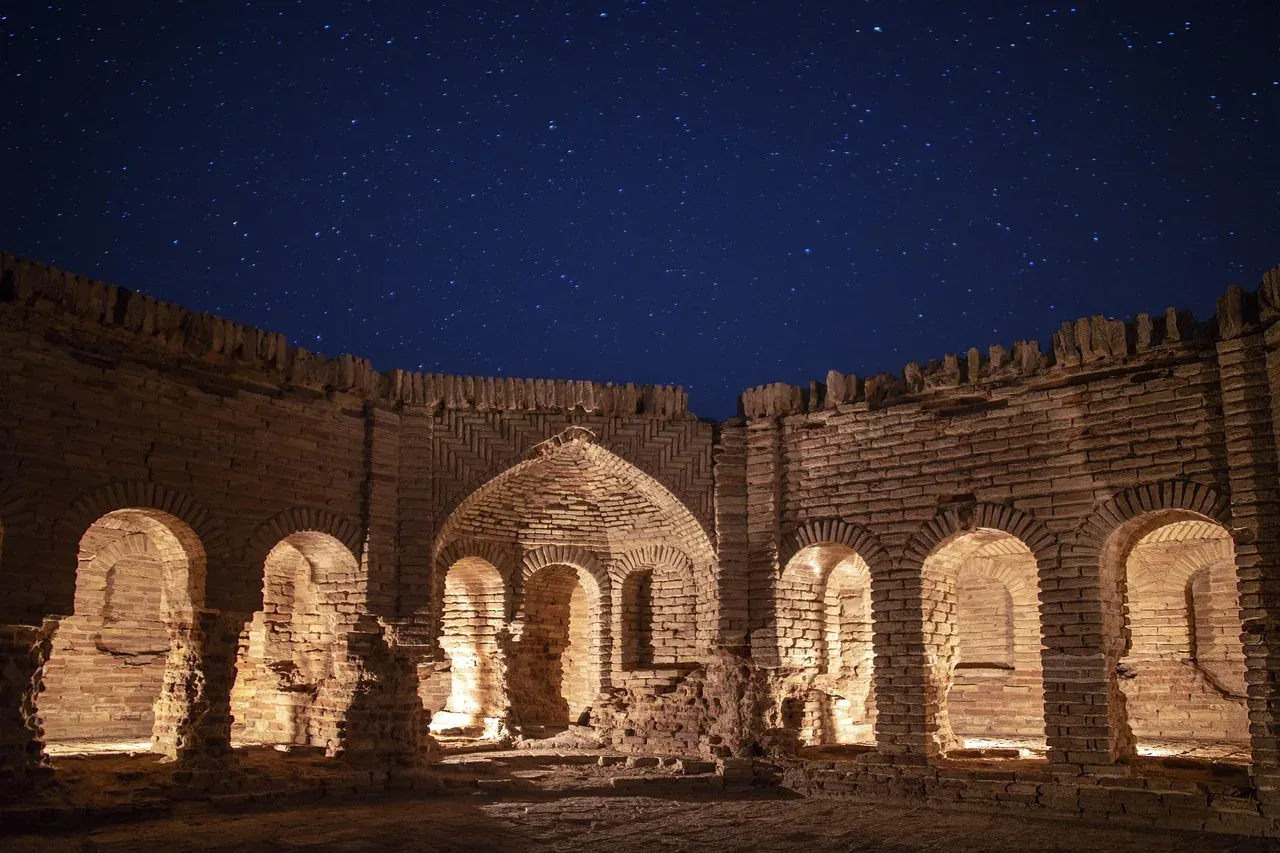 Photo from Pixabay by mostafa_meraji
If you're thinking about a jinni as a spirit companion, a few principles carry over from every tradition:
- Know the name, but meet the being. A label gives you context; your experience gives you the truth.
- Set house rules early. Clear expectations protect both sides.
- Offer respect, not fear. Tradition warns against arrogance toward jinn as much as it warns against carelessness.
- Keep a record. Notes on dreams, signs and moods help you see patterns over time.
The idea of a spirit working beside a practitioner is not unique to Arabia, either. European witches had their familiars, as our article on the history of the familiar spirit shows. For day-to-day practice, our guide on how to care for a spirit companion covers offerings, communication and rest. Experiences with any spirit are personal, never guaranteed, and many Muslims consider such relationships off limits; that view deserves respect too.
FAQ#
How many types of jinn are there?#
There is no fixed number. The Quran uses about five descriptive words, the hadith gives a three-part division, and folklore adds several more. Lists of nine to twelve types of jinn are common, but they mix scripture, scholarship and storytelling.
What is the most powerful type of jinn?#
Most lists put the ifrit or the marid at the top. Lane's lexicon calls the marid the most powerful class, while other scholars rank the ifrit higher. In stories, power depends far more on the individual than on the label.
Is a marid stronger than an ifrit?#
Sources disagree. Some describe the marid as physically stronger but easier to outwit, and the ifrit as more cunning and dangerous. The Thousand and One Nights often uses both words for the same character.
What is a qarin?#
In Islamic tradition, the qarin is a jinni companion assigned to every person from birth, usually described as whispering temptations. It is a theological idea, distinct from a companion chosen through a binding.
Conclusion#
The types of jinn are best read as a family of names gathered over fourteen centuries: a few words from scripture, a few categories from scholars, and many faces from desert tales. Marid and ifrit stand for raw power and cunning, the ghul and si'lat for shape and deception, the qarin for the unseen companion at every shoulder. Learn the names, respect the traditions they come from, and remember that any real relationship starts with the individual in front of you.
Spirits mentioned in this guide
Related posts


No comments yet. Have a question or an experience to share? Start the conversation.